အဖွဲ့ဝင်များ

သုတေသန ကော်မတီ

မူရင်း: အင်္ဂလိပ်

ကိုရီးယားဘာသာမှ AI ဖြင့် ဘာသာပြန်ထားသည်။ ကိုရီးယား မူရင်းသည် အတည်ဖြစ်သည်။

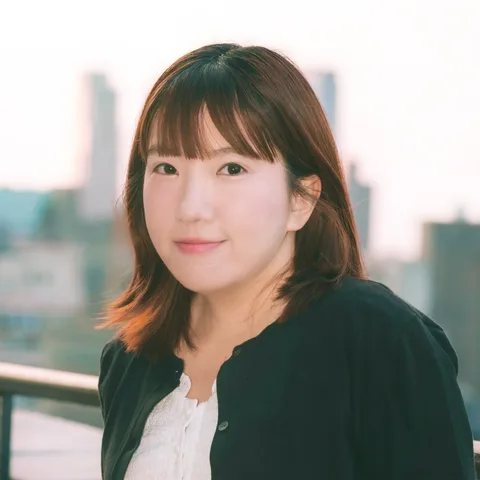
Nari Yoo

Nari Yoo유나리Chair

Professor, School of Social Work, University of Michigan

I study mental health and service use among immigrants, refugees and racial, ethnic and linguistic minorities, with a focus on language access and the policies that govern it, and on what digital technology does in how immigrants seek help and support. I began volunteering with MAP in 2019, supporting the website and administration and taking part in research and in planning a range of programmes, and I now also serve on the board. Research alone cannot change the world, but I hope it can help practitioners build better services and policies, and that the world gets a little better through that work.
Yehyun Kim

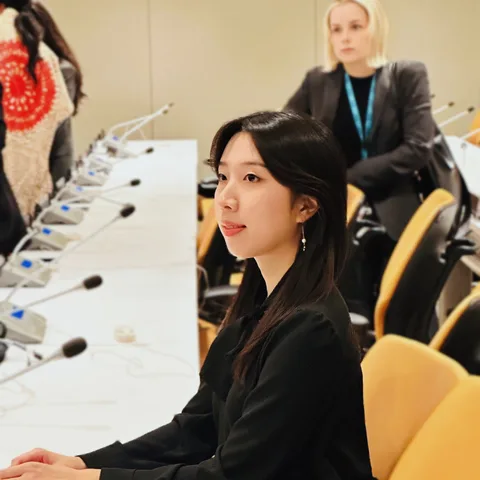
Yehyun Kim김예현

MA student, International Migration and Refugee Studies, Georgetown University

I am interested in migration, refugees, human rights and social integration, and I want to understand what change the policies and institutions that shape people's lives actually bring about. I hope for a world where the voices and experiences of marginalised people inform policy decisions, and where everyone can feel dignity and belonging regardless of legal status or background. To that end, I want to connect research with practice and help people from different fields think and work together toward real change.

Jay Kim

Jay Kim김재의

PhD student, School of Social Work, University at Buffalo (SUNY)

I am interested in how undocumented Korean immigrants in the United States experience “illegality” and in their mental health. Before starting my PhD, I spent many years in volunteer work and social movements. I hope for a world where everyone lives in equality and dignity.

Li Qiwen

Li Qiwen리치원

PhD student, Multicultural and Intercultural Studies, Ewha Womans University

Drawing on my own experience as an international student, I study how migrants' social rights are secured in practice, including international students' pathways to settlement and the gaps they fall into in social security and welfare. In social welfare settings I have worked on support projects for marriage migrant women, victims of crime and abuse, young people who arrived in Korea mid-childhood and other migrants, helping with planning and operations, evaluation, interpretation and translation, and background research. I now volunteer with MAP's scholarship programme for refugee youth, where I am responsible for case management and the empowerment programme. Building on this experience, I want to connect practice and research so that migrants' own voices carry weight in policymaking, and to look for constructive directions for migration policy.

Aram Lee

Aram Lee이아람

PhD candidate, Institute of Social Sciences, Humboldt-Universität zu Berlin

My research sits where cities, migration, gender and mobility meet. I currently study the mobility experiences of migrant and refugee women living in Germany, looking at access to urban space, social belonging and citizenship. In Korea I took part in work on urban poverty and housing rights and worked as an editor in design, architecture and urban studies, which drew me to questions of urban space and social inequality. In Germany I have been active in civil society work with migrants and refugees, linking research and practice. At MAP, too, I want to keep refugees' own experiences and voices at the centre and think together about how research can lead to solidarity and real change.

Juhee Lee

Juhee Lee이주희

Lecturer, Yonsei University

I teach Korean language and literature to native speakers of Korean and Korean as a foreign language to those whose first language is not Korean. I am also a researcher who listens to and records the voices of linguistic minorities left out of the mainstream discourse on language education. I received my PhD from the Department of Korean Language and Literature at Yonsei University with research on women with refugee backgrounds living in Korea, conducted using Korean and several other languages. My connection with MAP began in 2024. That year I helped run Uri Peace Korean School and gave a lecture at the Peace Academy, and in 2025 I spoke on a panel at the Korea Refugee Forum. I now design and run a Korean language course for MAP's refugee fellows. I hope Korea will grow from a monolingual society into a multilingual one, where everyone can use their languages freely and happily.