
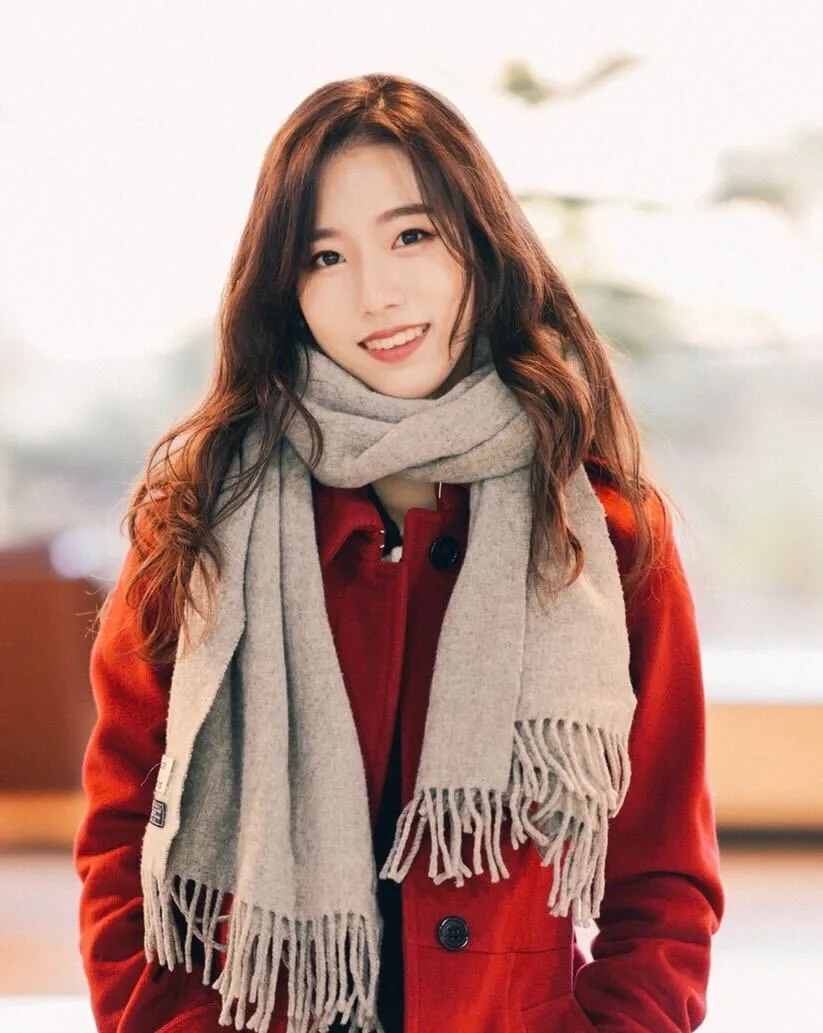
Q1. Please briefly introduce yourself! Hello! My name is Kim Seong-hyeon, and I am a student in the Department of Political Science and International Relations at Seoul National University :) I am the kind of person who gains a lot of energy from talking with different people. So I am having a lot of fun these days at MAP, where I can meet people of different cultures, languages and nationalities!
Q2. When do you feel most like yourself? I feel most like myself when I take on something I find interesting without hesitation and work hard at it until I am satisfied. Looking back, many of the things I started simply because I wanted to later helped make me who I am now. I started volunteering at MAP for the same reason: I wanted to.
Q3. What gives you your own small but certain happiness? I like drawing landscapes and dancing. When I draw landscapes such as the sky and the sea, my mind becomes calm, which I like. Dancing, on the other hand, lets me focus on the moment without any other thoughts, and I like it because it is exciting while I dance.
Q4. What do you think our society needs most right now to become a better society? I think that to become a better society, we first need to take an interest in others. When you take an interest in the lives of people other than yourself and look around, the people who truly need your help, whom you passed by before, start to come into view. After taking an interest, I think the will to find concrete ways to help and put them into practice is important.
Q5. Finally, what kind of ‘change’ do you want to bring about through your work at MAP? After working at MAP for two months, I came to think that it is difficult for my efforts right now to bring about a visible ‘change’, not only on the refugee issue but on many social problems.
But I also learned that without people who believe change is needed and take the lead in actually creating it, solving problems would be even harder. So at the Human Library, I want to listen to the stories of refugees, think about what difficulties refugees are facing and what systems need to be improved for refugees’ lives to get better, and act as a bridge that shares these thoughts with citizens.