🗣💬
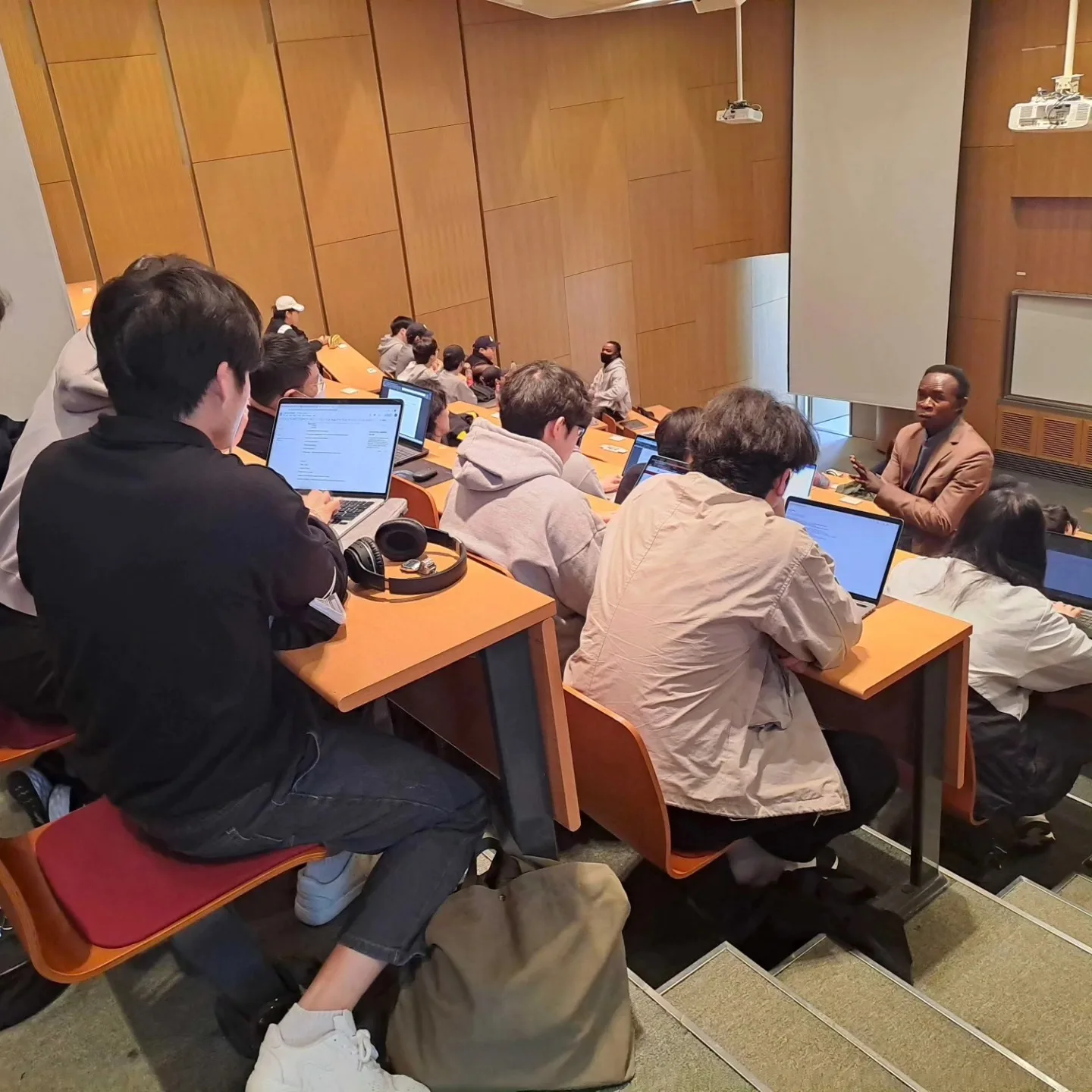
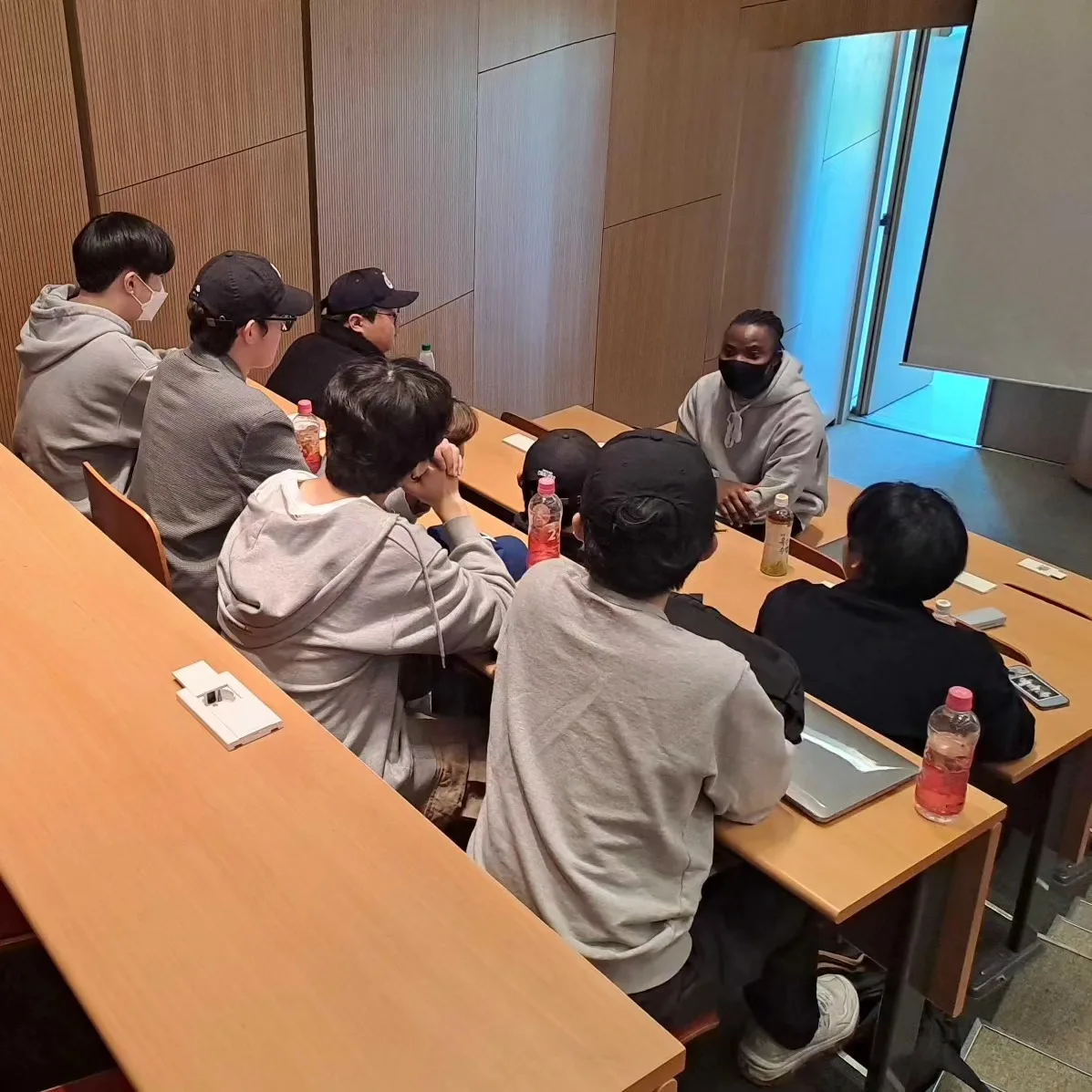
📌Thursday, May 11 📌SUNY Korea
The
Shall we look at, one by one, which stories stayed with each of them?
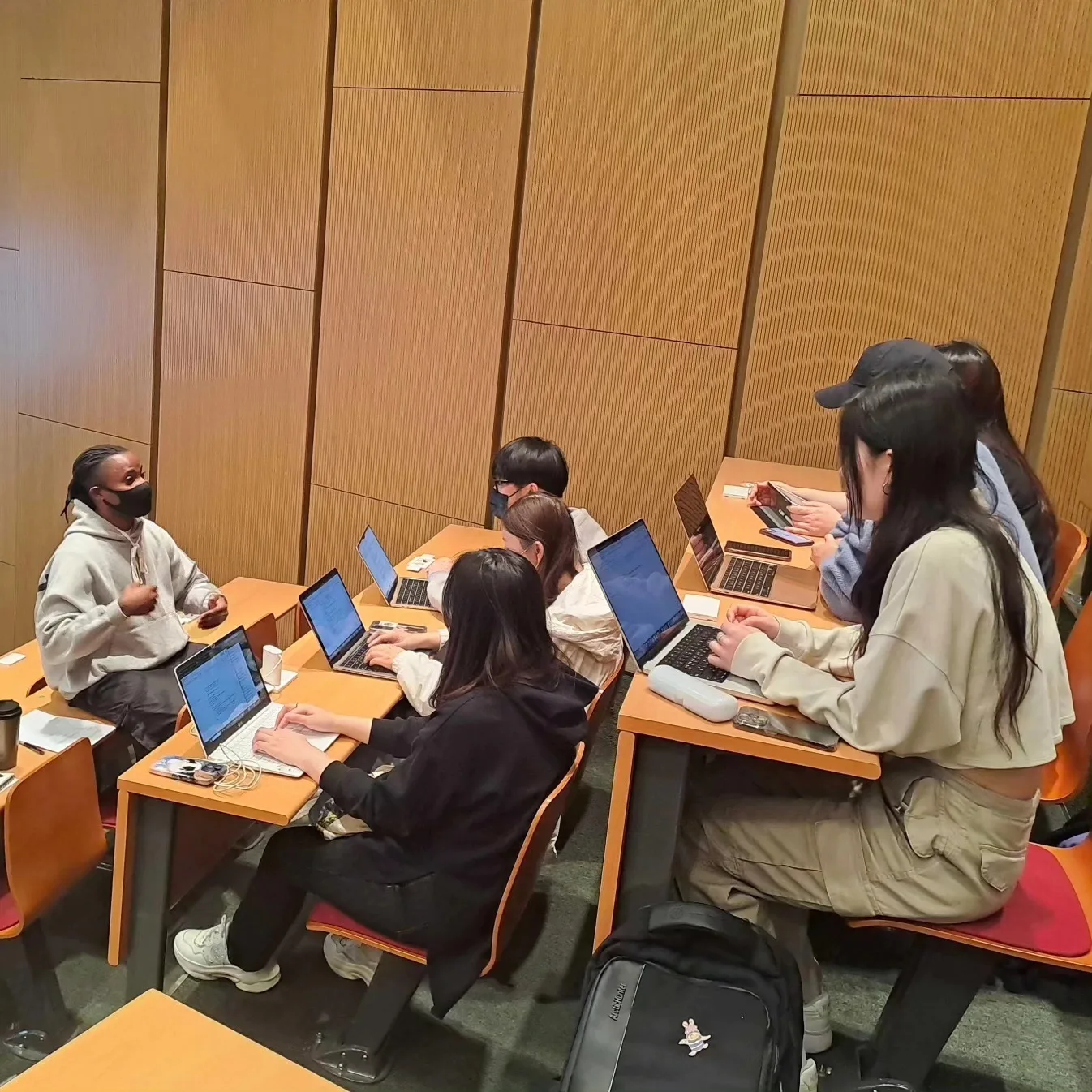
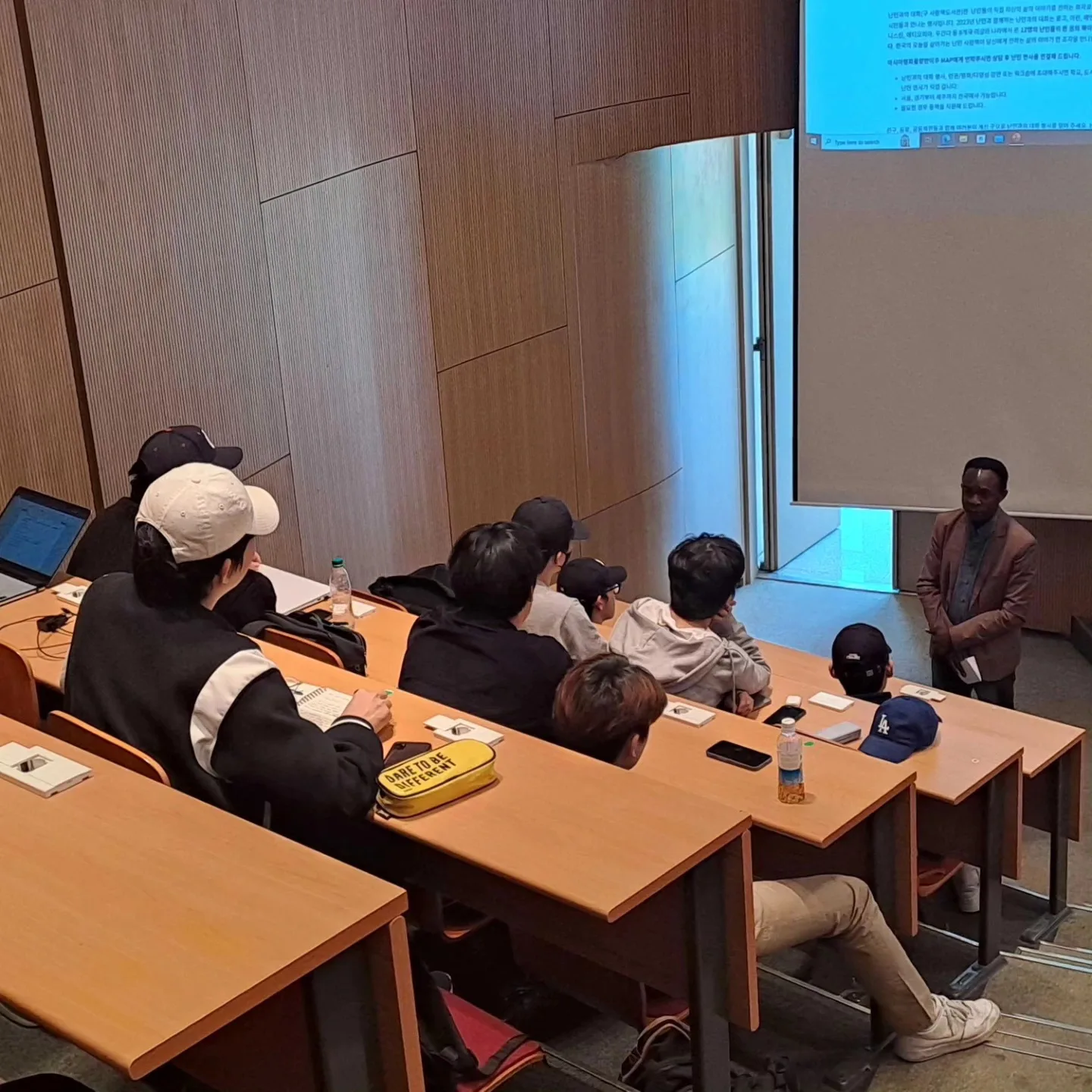
💭Meshak said that the question “What approach would be needed to educate elected politicians about the rights of refugees in their districts?” stayed with him. One student listened to the conversation with a serious expression the whole time. When asked why, the student answered that, as a Korean student with a Chinese background, they could relate to Meshak’s story about the difficulty of obtaining a visa. Meshak also said that, to most citizens, refugees are neither seen nor heard, but they exist everywhere and, simply by existing, are the best storytellers.
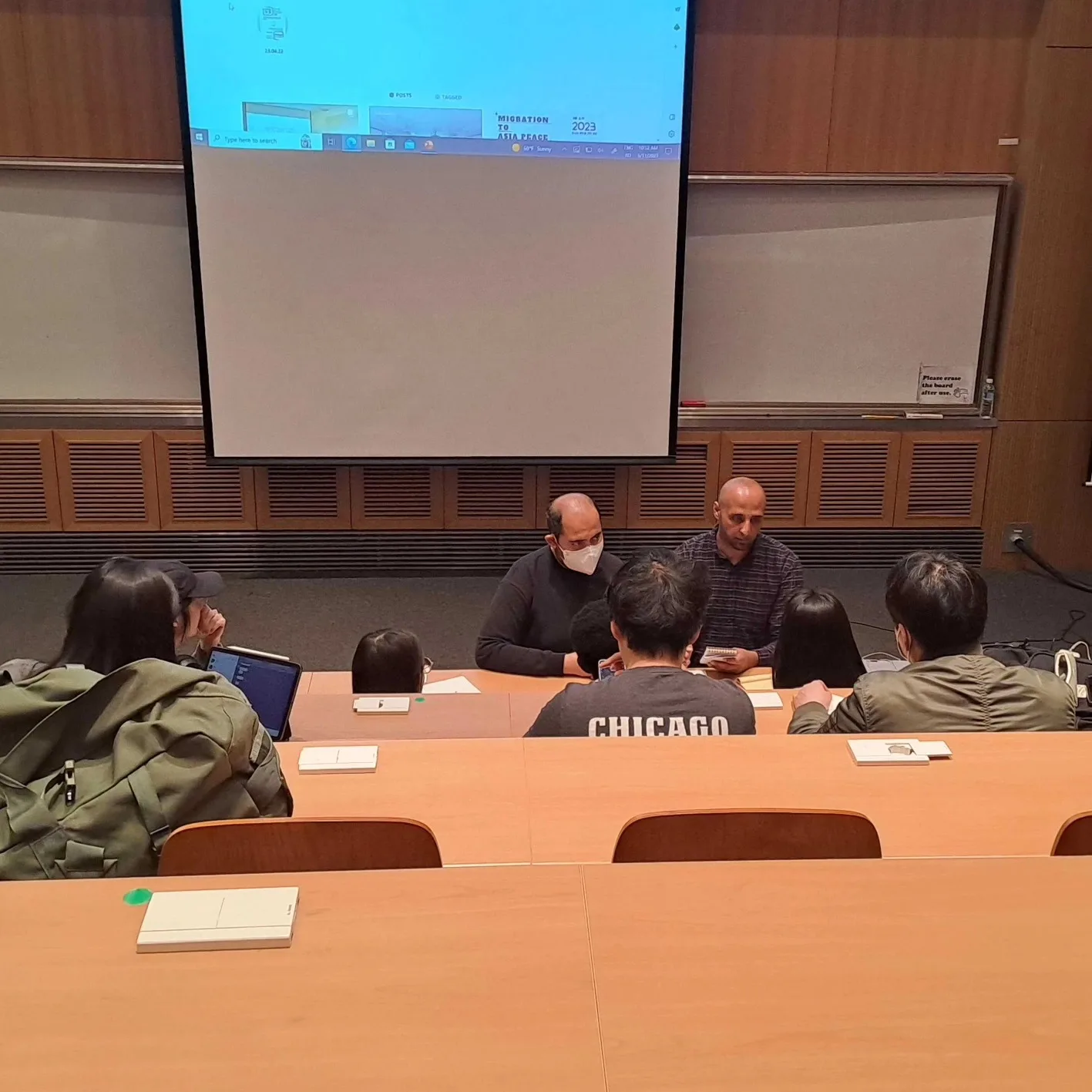
💭Freddy was asked whether difficult lives for refugees are only a problem in Korea, and he answered that the situations in Japan and Russia are no better than in Korea. Later in the conversation, there was a question: “I learned that prejudice against refugees is serious in Korea. How can these problems change?” Freddy answered that it can start with local citizens and refugees meeting and talking directly, as in
💭Reza said that he received many memorable questions from the students. “Even if you could go back in time, do you think you would come to Korea again?” “Why did you come to Korea?” “Could you have gone to another country such as Australia or Canada? That is, if you are not satisfied with your life in Korea, can you apply to another country?” “What do you think is needed to improve your life in Korea, or what do you expect from the government?” “I read in the news that many refugees get opportunities for education, so I thought that was true for everyone. That is why I was shocked to hear Reza’s story. It is shameful that people are sent to factories without any opportunity to receive Korean language education or any other education.” “How did you manage yourself when things were hard? How did you steady your mind?
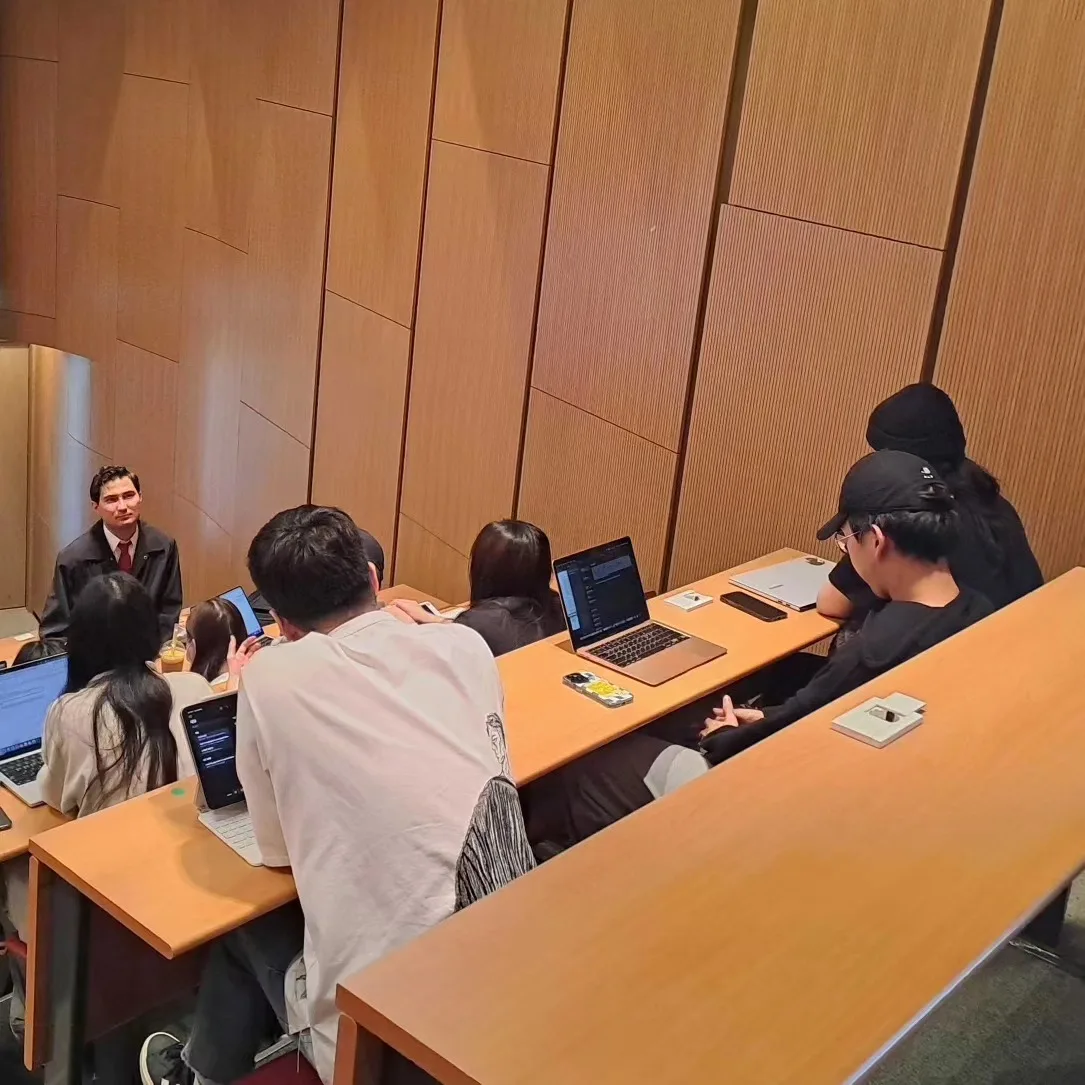
💭Majun explained the dictatorship in Egypt, and he received many questions about it. “Who supports the military? Which countries support or aid Egypt’s dictatorial government?” “When people from a dictatorship flee as refugees, who stands against it?” “Why should other countries accept refugees?” “How does the story of refugees spread into the interests between states?” There was also a question about why refugees should be given professional jobs, and whether it would not benefit the country more to give them unskilled jobs instead. Majun said he understood that position, but answered that at the very least, education is needed so that refugees do not suffer industrial accidents, or so that they can respond well when industrial accidents occur.