📌Wednesday, 1 November
📌Eunpyeong Migrant Workers’ Center
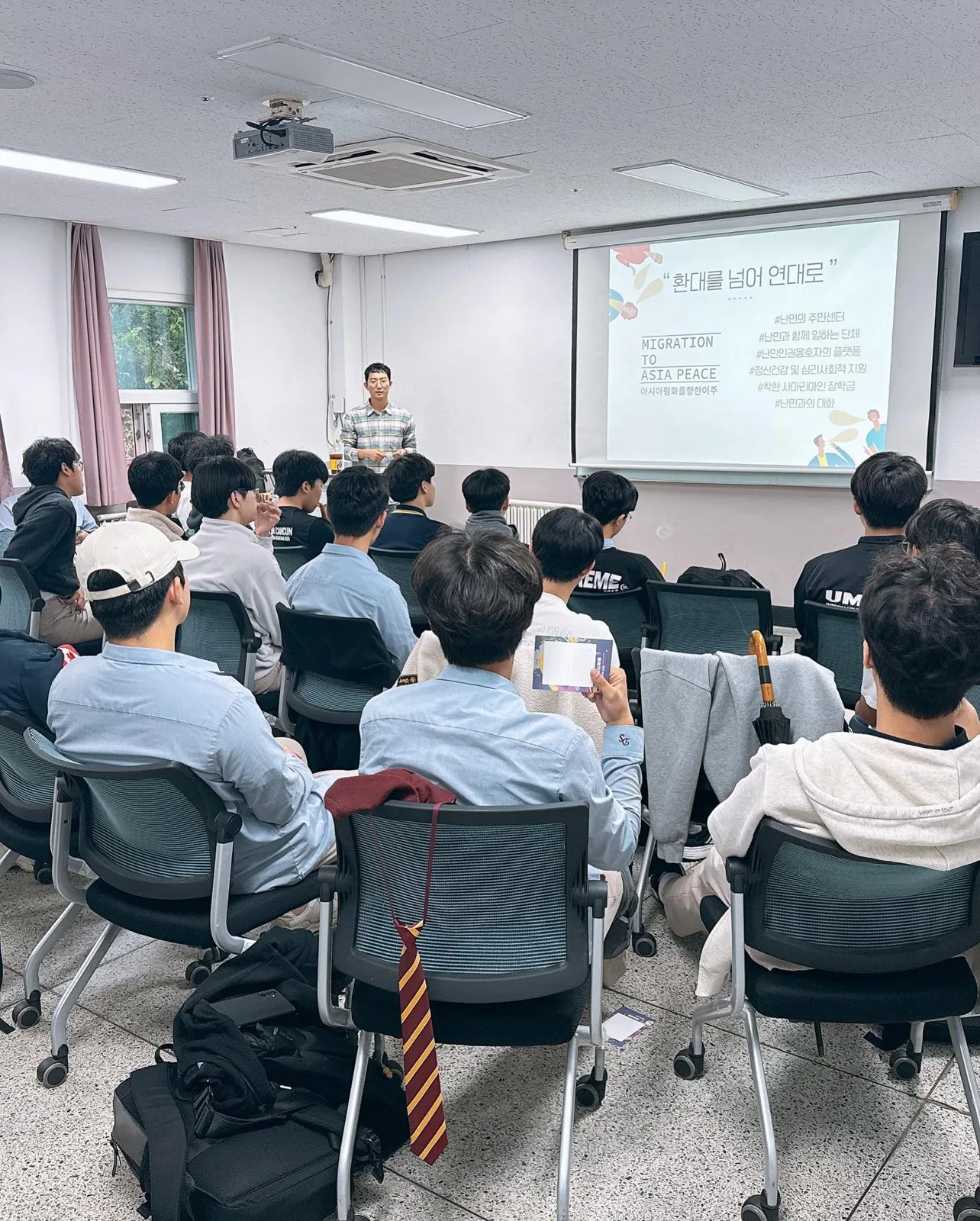
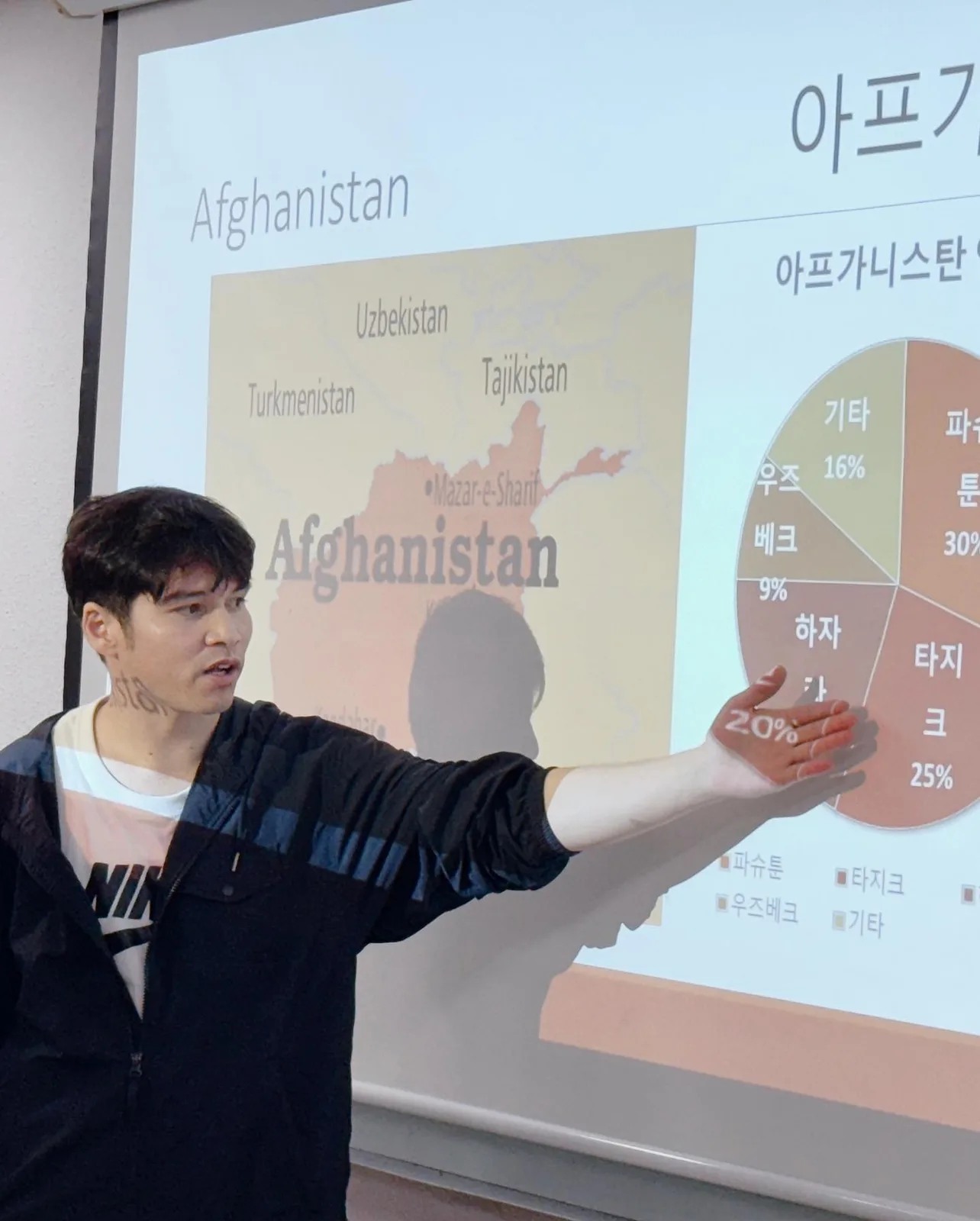
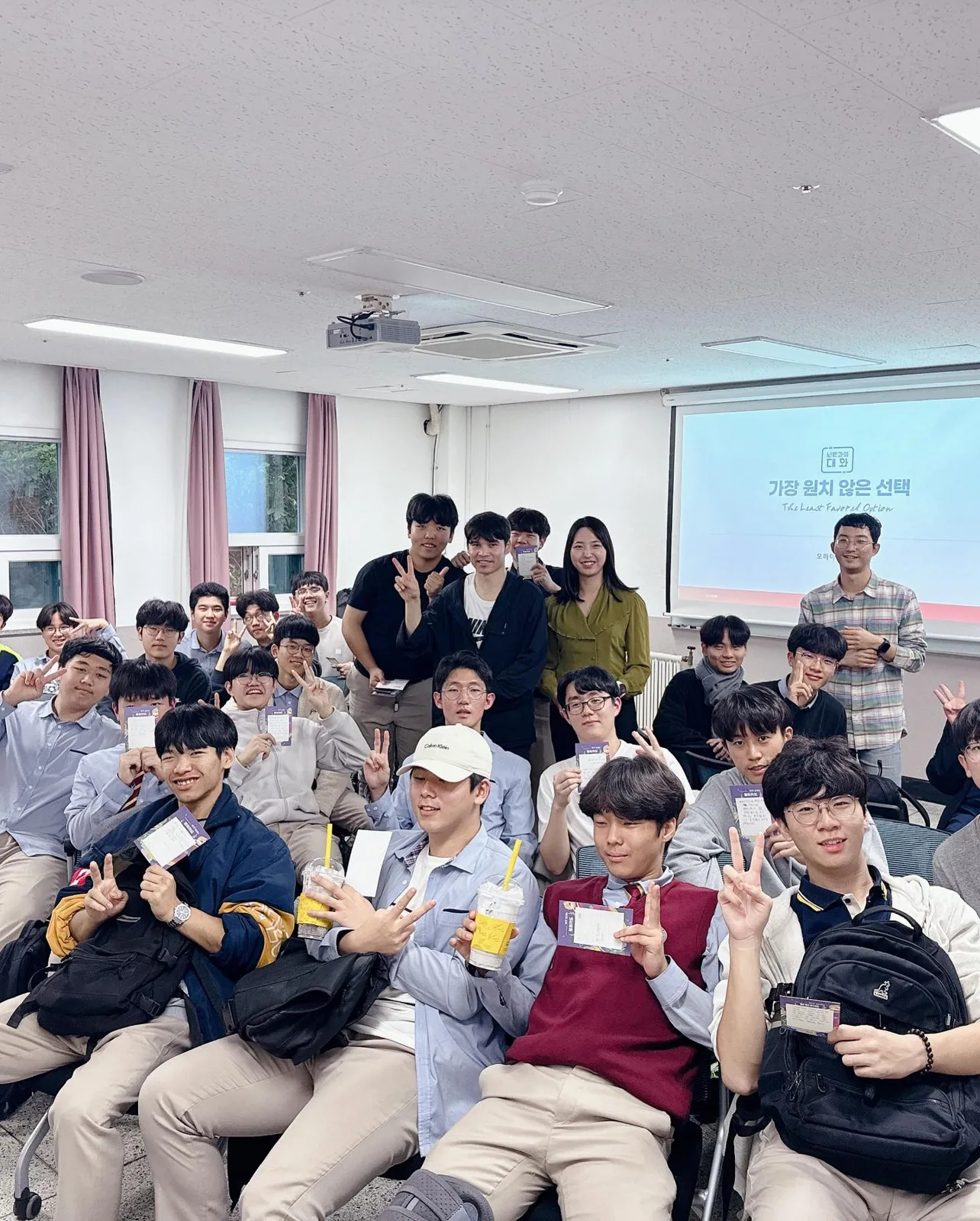
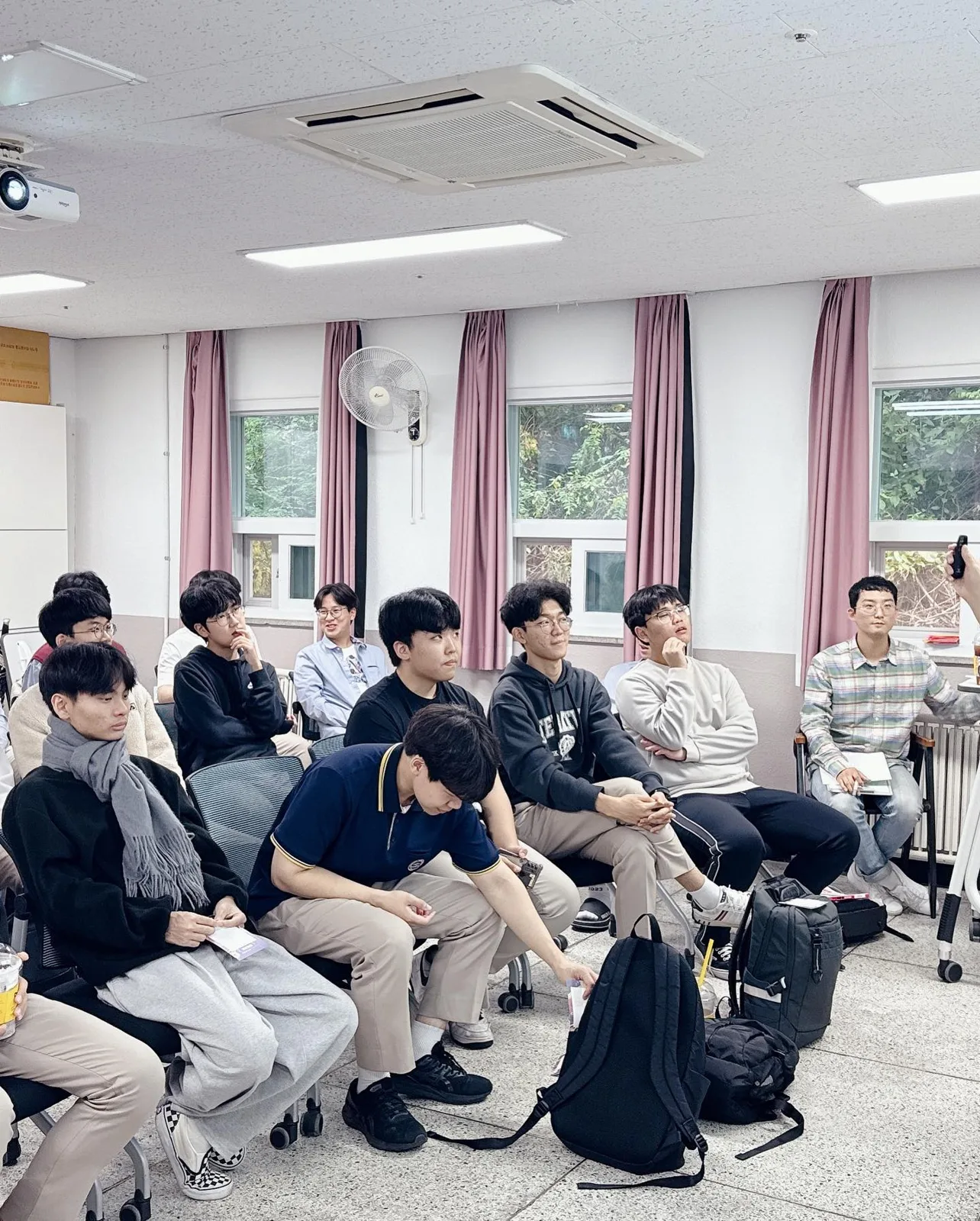
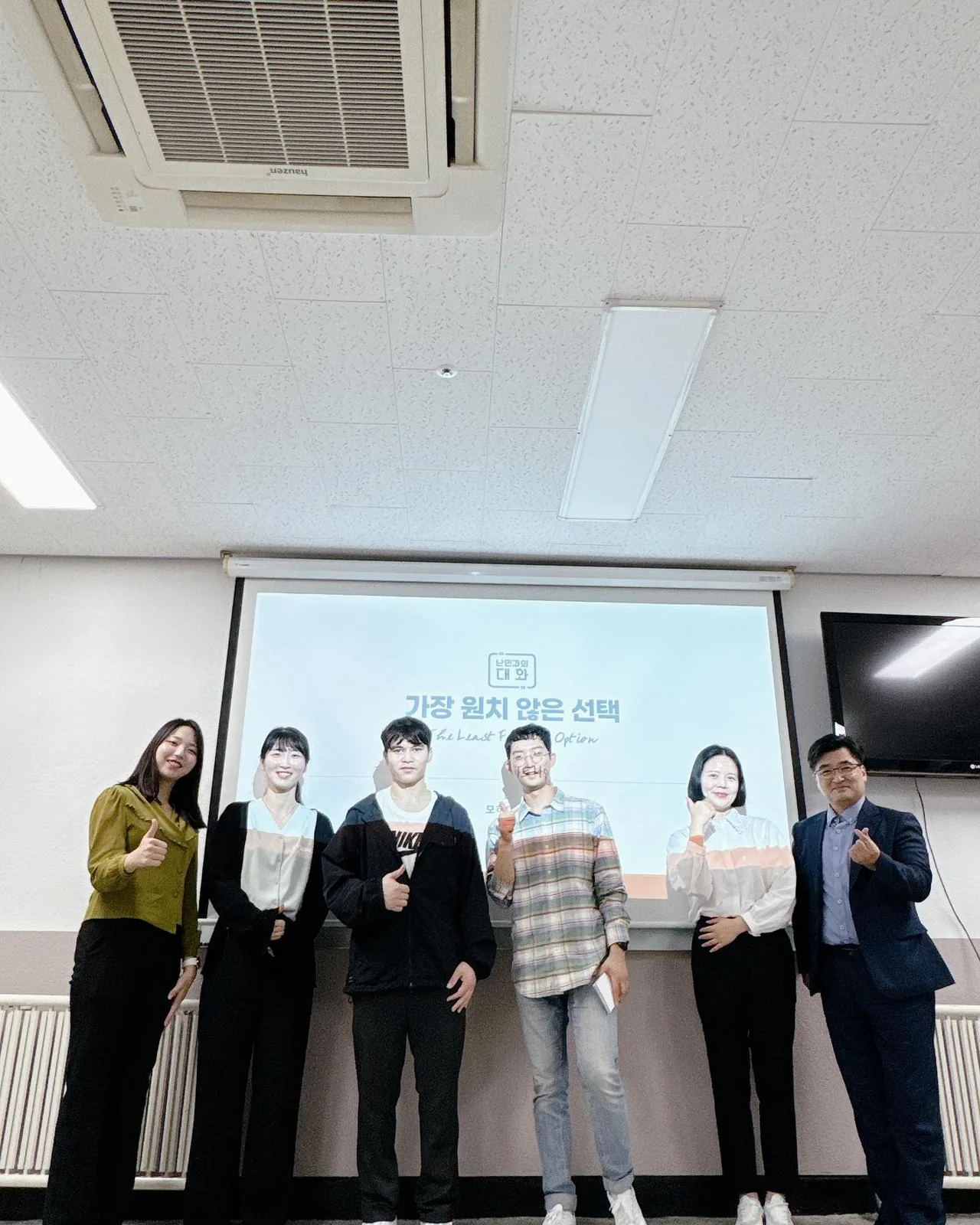
At this event, Naim joined the students of Daesung High School at the Eunpyeong Migrant Workers’ Center. Teacher Son Geonung facilitated, with interpretation by @clancy_lee, and a great many questions were exchanged ! Now let us look together at the reflections of Naim and teacher Son Geonung and at the questions that were asked??🕺
Questions that were asked🎈
- Why did you come to study engineering?
- Does the state provide no support for refugees?
- There was a professor who discriminated by ethnicity; was there none when you were in middle and high school?
- Finally, please say anything you would like to say to the students (a question from the homeroom teacher)
🍪Naim
💡Taking part as a refugee in front of high school students at the Eunpyeong Migrant Workers’ Center was a truly joyful and pleasant experience. What motivated me today was that the students listened to me patiently, with focus and active attention, and that they found it interesting to hear the voice of a refugee and to talk with a refugee for the first time. Because they had only heard about refugees through the media, we talked about refugees, Afghanistan and the ethnic minorities of Afghanistan, especially the Hazara people, and we also answered each other’s questions.
For example, when I asked what they thought about Korea’s multicultural community, all the students’ opinions were positive.
They asked about the future of Afghanistan, and the students asked, “Will the current regime change?” I answered yes, the regime will change, but because I have experienced four regimes in Afghanistan in my lifetime, I do not know about its stability.
🍪Teacher Son Geonung
💡High school students study centered on the college entrance exam, so they are often uninterested in topics that do not appear on the exam. I was surprised that the students of Daesung High School had such keen interest in refugees. I was impressed by how they kept asking questions and communicating about Afghanistan, the Hazara people, refugees and Naim. From the moment of the brief self-introduction until the end, I watched the students looking at Naim with bright eyes, and it gave me hope that we can build a better world than the present one. In particular, although many students asked questions actively, a student who had only been listening quietly at the back said softly at the end that this opportunity made him feel that refugees are people who should be welcomed, and I found that moving. Regardless of who was active or who asked many questions, I could see that everyone was interacting with Naim as a person with a person. I want to work so that more people can take part in Dialogue with Refugees in the future.