Health
Refugee health and mental health
MAP sees refugees’ health as a right and not only a matter of treatment, and carries out linkage to medical interpretation and guidance on the system, mental health and psychosocial support, medical cost support for refugee children, and work in a consortium for the right to health. The work is for refugees of every residence status in Korea.
Background
Health is a basic right that everyone should enjoy regardless of nationality or residence status. Yet refugees and migrants worldwide are easily kept away from the care they need by barriers of language, cost and systems, and many cannot get timely treatment for illnesses and injuries incurred during flight.
In Korea too, refugees often put off seeing a doctor because of consulting rooms where they cannot be understood, a complicated health insurance system and unstable residence status. Even where medical fee reduction schemes exist, many cannot use them because they do not know how to apply or whether they qualify, and when a child is ill or major surgery is needed, a family faces costs it cannot bear.
MAP connects interpreters, explains the system in accessible terms and raises medical funds together with several organizations so that refugees can receive the care they need when they need it. It reports problems identified in the field to the medical community and civil society to help narrow gaps in the system.
What we do
-
Linkage to medical interpretation and guidance on the system
So that refugees can use medical institutions safely, MAP supports medical interpretation, from hospital appointments and communication to explanations of how to take medication, and provides guidance in several languages on medical support systems and emergency response procedures.
-
Mental health and psychosocial support (MHPSS)
MAP supports psychiatric consultation and test fees, psychological counseling and interpretation for counseling. MAP has worked with UNHCR since 2021.
-
Medical cost support for refugee children
MAP connects refugee children's families facing heavy treatment costs with medical cost support from WeFriends, Korea Food for the Hungry International, Hope Wings and others.
-
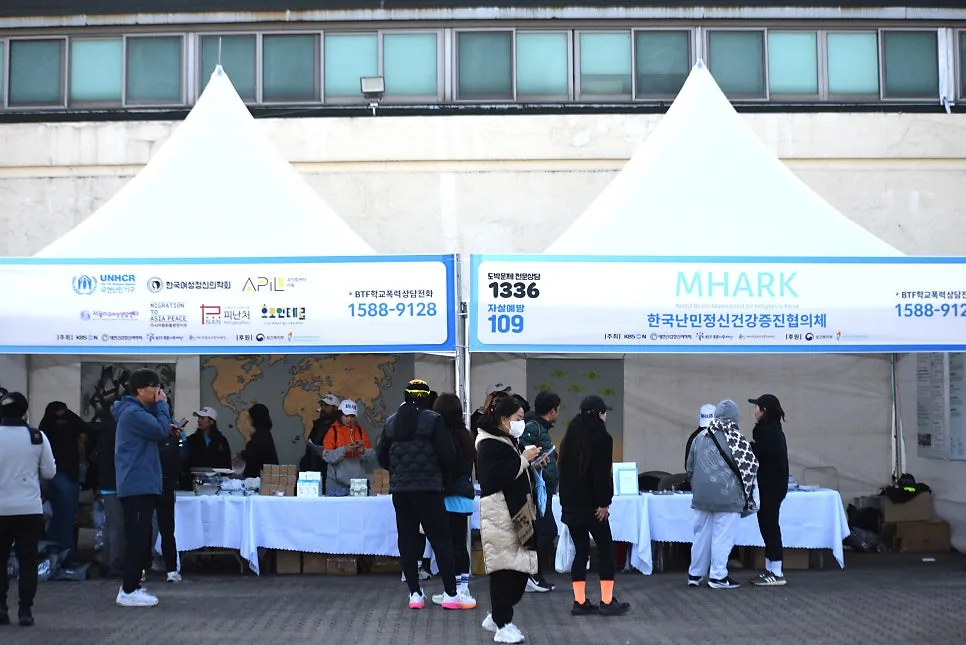
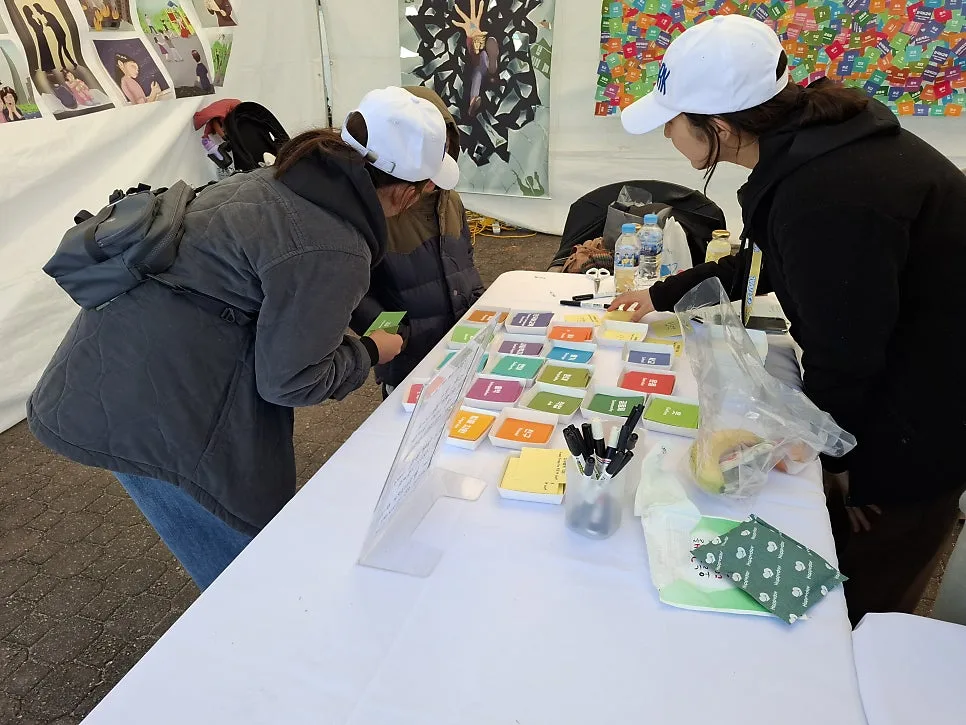
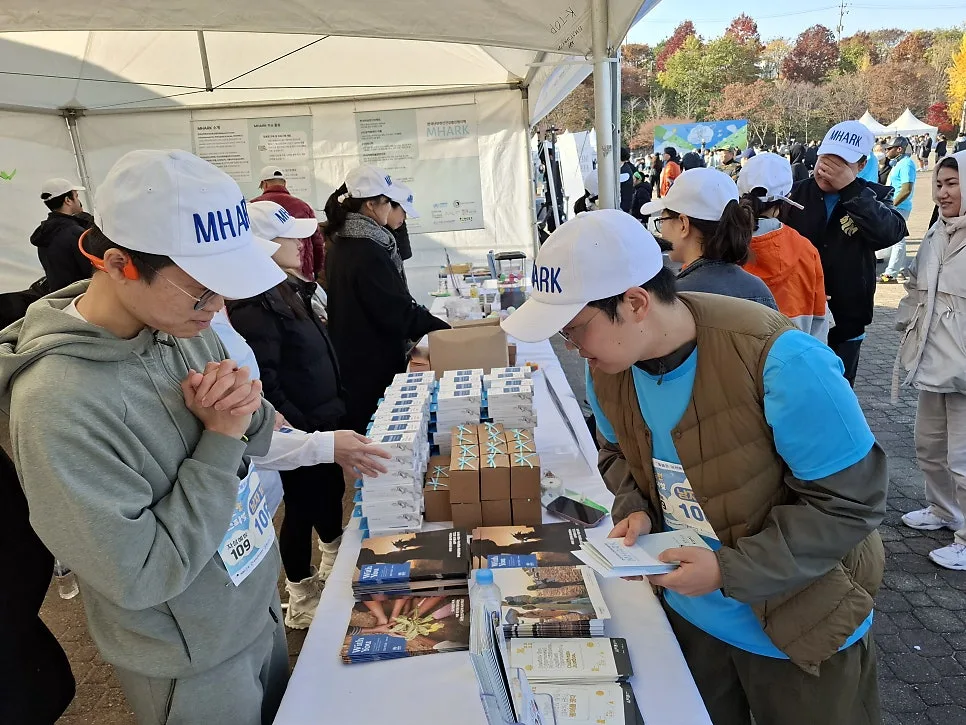
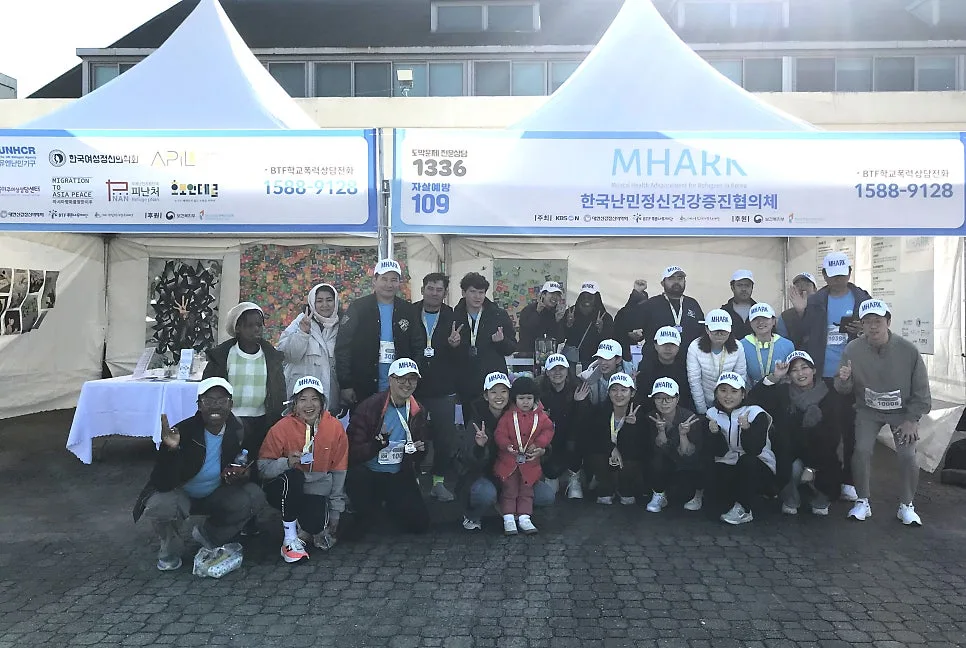
Activities of the Mental Health Advancement for Refugees in Korea (MHARK)
MAP has been a member organization of the Mental Health Advancement for Refugees in Korea since its launch in 2024. Psychiatric experts and civil society organizations formed the alliance to improve refugees' mental health and expand their access to medical care.
-
Refugee health checkups and linkage to medical institutions (ended)
In cooperation with medical institutions, MAP arranged health checkups for refugees of all residence statuses in Korea and supported them in moving on to consultation and treatment. This program has now ended.
History
- 2016
MAP began a free health checkup event for refugees with Samsung Medical Center. The event continued for several years afterward.
- 2017
Through the Refugee Health Project, MAP stepped up its work to help refugees use medical care. It held two free health checkups with Samsung Medical Center, linking 112 refugees to medical institutions, and in November it produced a handbook guide to medical interpretation for refugees.
- 2018
As more asylum seekers and people with humanitarian status found it hard to use medical institutions because of insurance and cost problems, requests for individual counseling and linkage to medical institutions grew, and over the year MAP helped 29 people use medical care. It held free health checkups with Samsung Medical Center and in Incheon.
- 2019
With support from the Human Rights Foundation SARAM’s <Human Rights Project-Up> grant, MAP kept the refugee health project going on a stable footing. When mandatory health insurance enrollment for foreign residents began in July, it produced health insurance guides for refugees in four languages and shared them with other refugee support organizations.
- 2020
During COVID-19, MAP focused its health counseling, linkage to medical institutions and interpretation support on the disaster response. In September, Green Hospital and eight support organizations signed an agreement to support medical costs for undocumented migrant children and refugee children.
- 2021
MAP explained treatment and isolation procedures to people who tested positive for COVID-19 and their families, and interpreted for them. As a partner organization in Save the Children’s refugee children support project, it supported childrearing, childcare and medical costs for 21 refugee children.
- 2022
With Save the Children, MAP continued to support childrearing, childcare and medical costs for preschool-age refugee children. In monitoring for the National Human Rights Commission of Korea, it interviewed 35 asylum seekers about their health insurance enrollment and access to medical services, and shared the results in December.
- 2023
MAP continued to support medical costs for preschool-age refugee children. It produced health information that refugees need to know before using medical institutions in Korea as videos in English, Arabic, French and Russian and made them public for anyone to watch. Mental health support was widened into a separate project.
- 2024
MAP supported childrearing and medical costs for refugee children of single-parent households aged 18 months or younger. Through the medical cost support project for the healthy growth of children with a migrant background run by WeFriends, the Korea Migrants' Health Association, it supported counseling therapy costs for children with developmental delays and relayed the course of treatment to guardians to help them take part in it. In June, it took part as a member organization in the launch of the Mental Health Advancement for Refugees in Korea (MHARK).
- 2025
In June, at the World Human Rights Cities Forum, MAP’s director gave the presentation <How Can We Realize Public Responsibility for Refugee Health?>. MAP continued Good Samaritan support, which provides living expenses and medical costs to refugee children of single-parent households, and Dear Mommy support, which helps mothers give their children gifts such as books or snacks.
- 2026
MAP connected refugee families facing heavy treatment costs with medical cost support from several organizations, such as WeFriends, Korea Food for the Hungry International and Hope Wings. Mental health support continues through the mental health and psychosocial support project.
Humanitarian support: requests and enquiries
- Emailhs@mapcast.org
- Main line02-2038-0231
In numbers
- 17 people
- Refugees who received mental health and psychosocial support in 2023
Photos
Recent activities
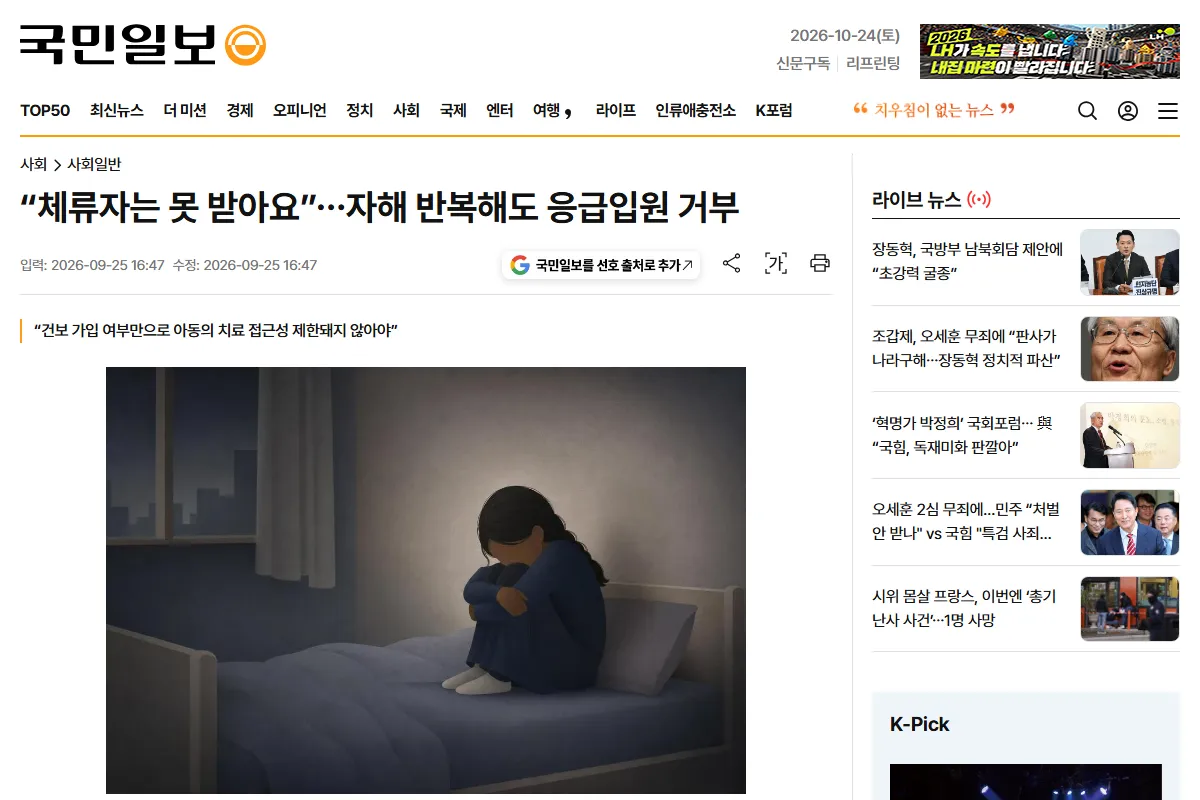
Youngah Kim on emergency psychiatric care refused to children without residence status (Kukmin Ilbo)
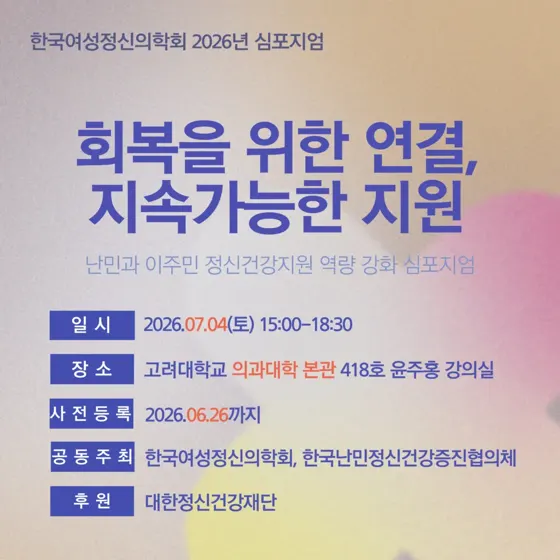
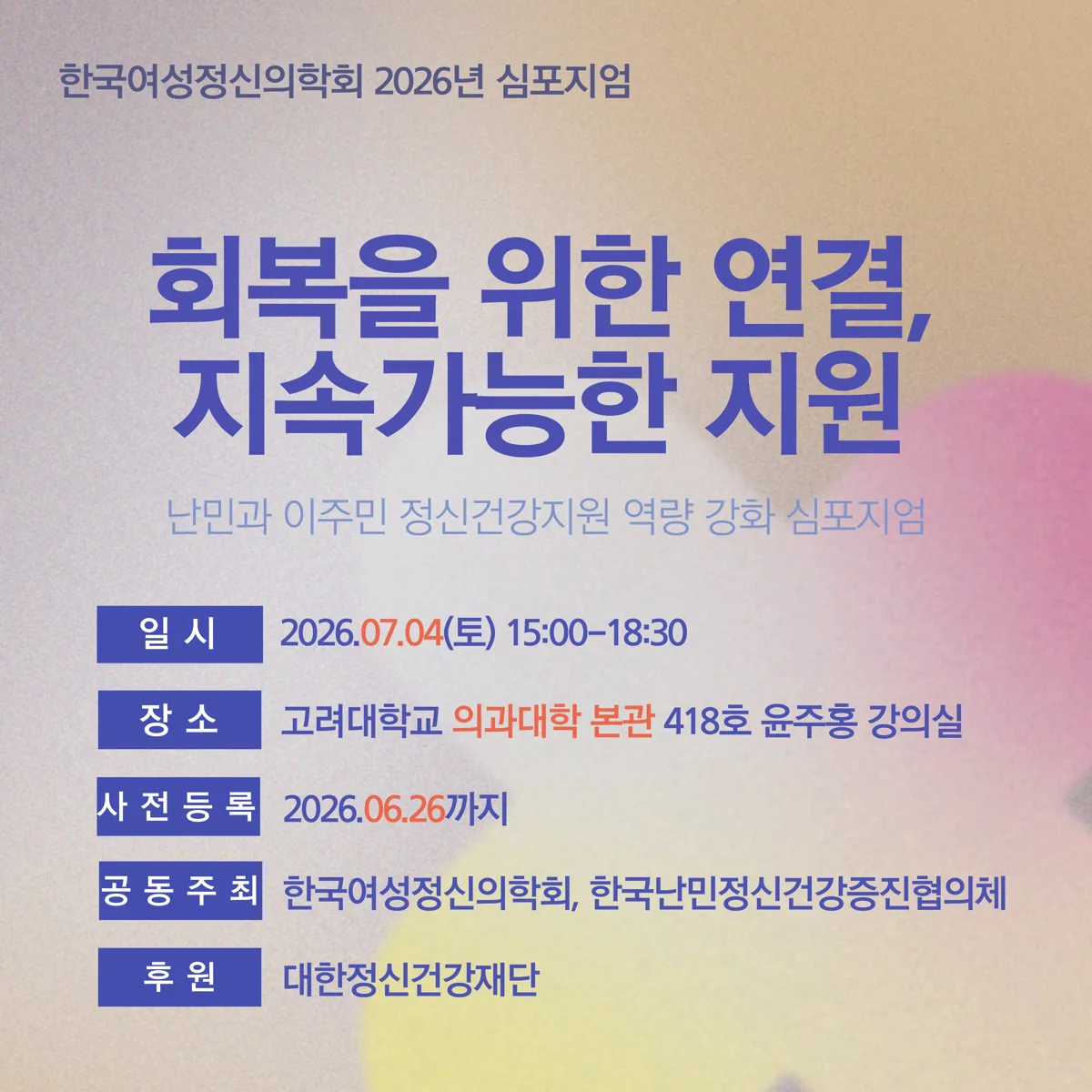
[Promotion] Refugee Mental Health Symposium
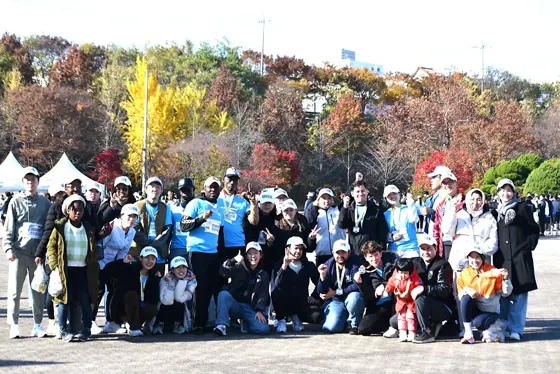
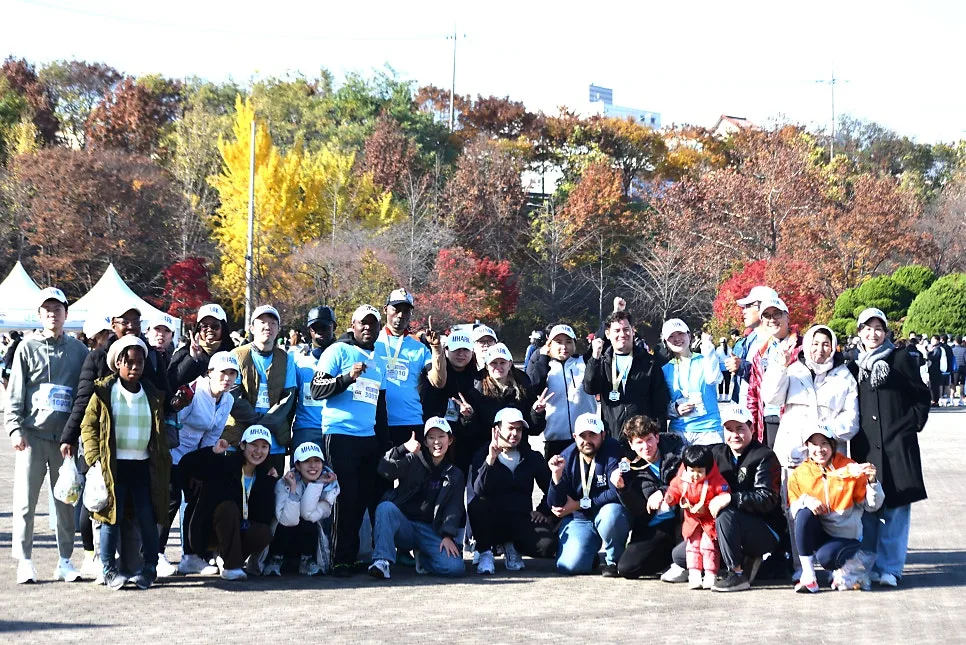
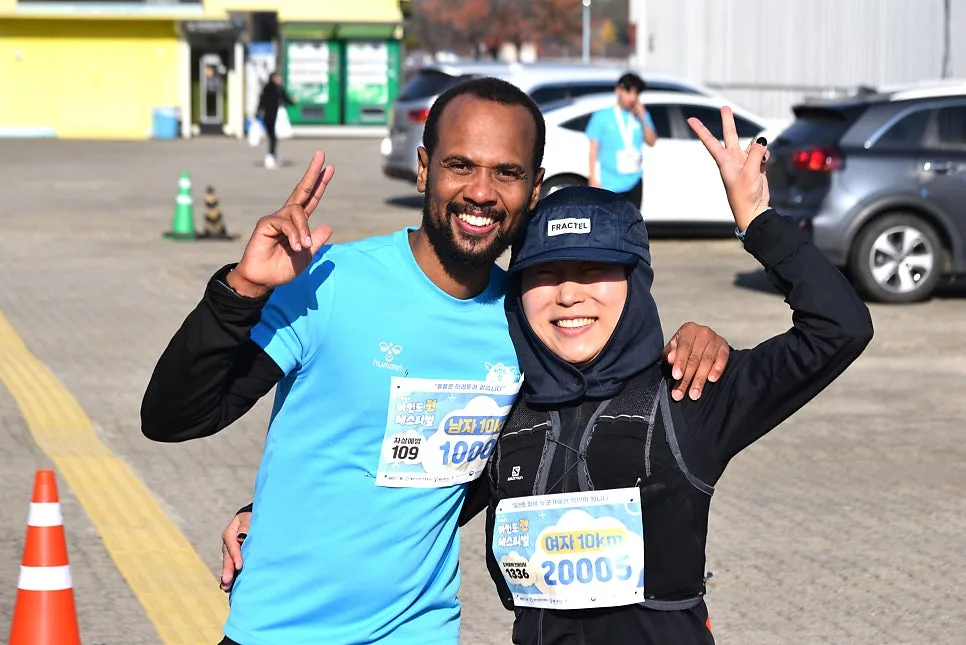
[2025 Mind Run Festival Review] Mind Run with MAP
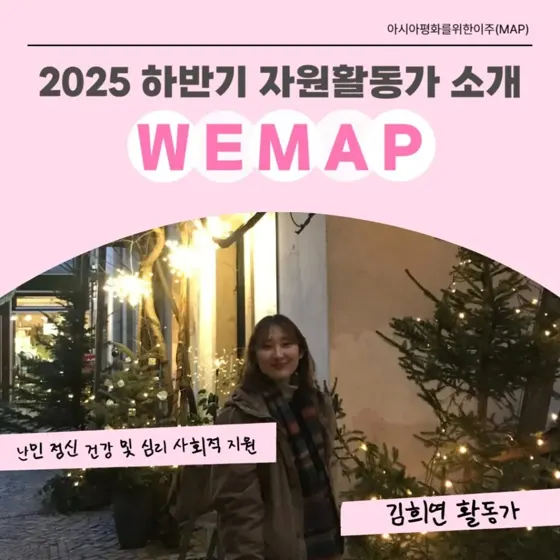
[2025 Second-Half Volunteer Introduction] Kim Hui-yeon (Refugee Mental Health and Psychosocial Support MHPSS Team)
Refugee Mental Health and Psychosocial Support MHPSS Team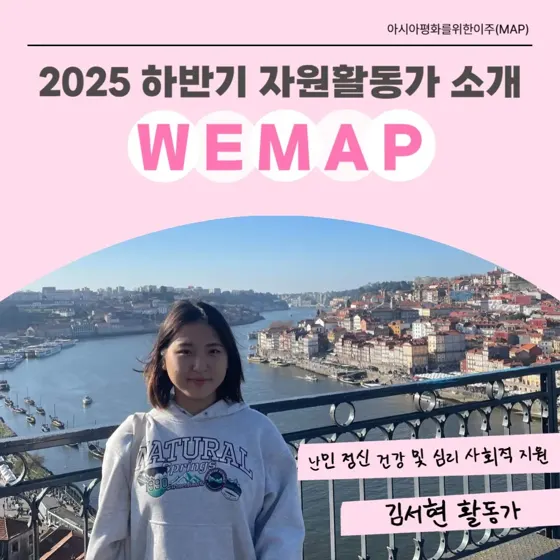
[2025 Second-Half Volunteer Introduction] Kim Seo-hyeon (Refugee Mental Health and Psychosocial Support MHPSS Team)
Refugee Mental Health and Psychosocial Support MHPSS Team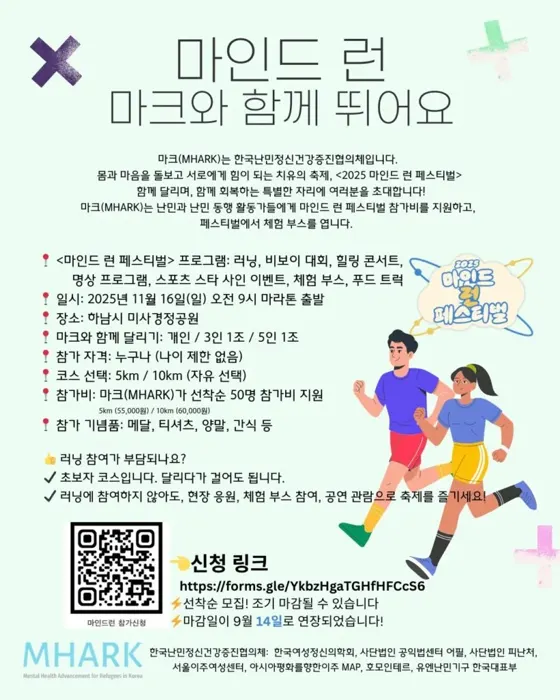
[RISE] 2025 Mind Run with MHARK
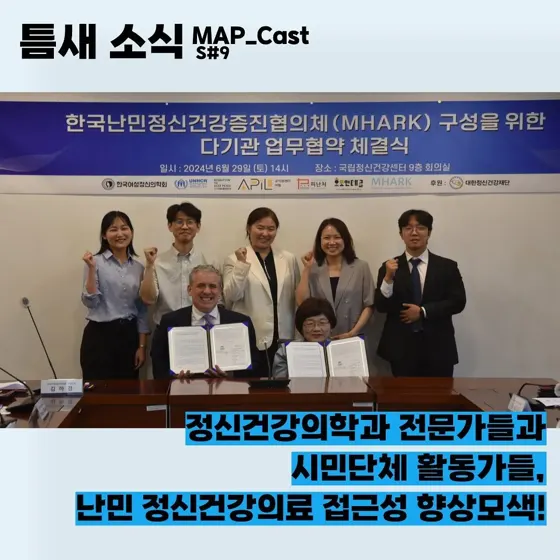
Signing of a Multi-Agency Memorandum of Understanding to Form the Mental Health Advancement for Refugees in Korea
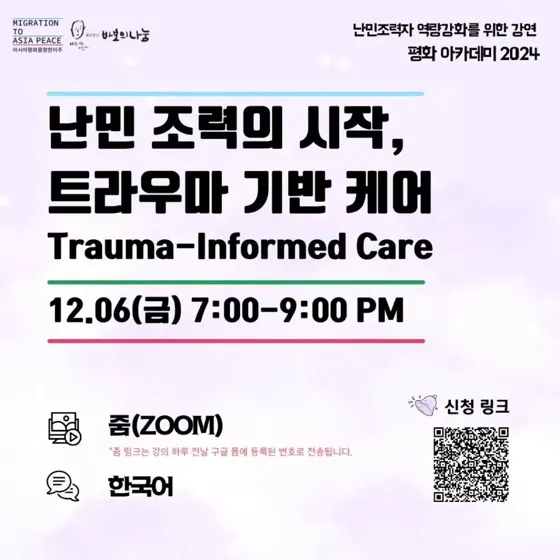
Peace Academy 2024: Starting to Support Refugees, Trauma-Informed Care
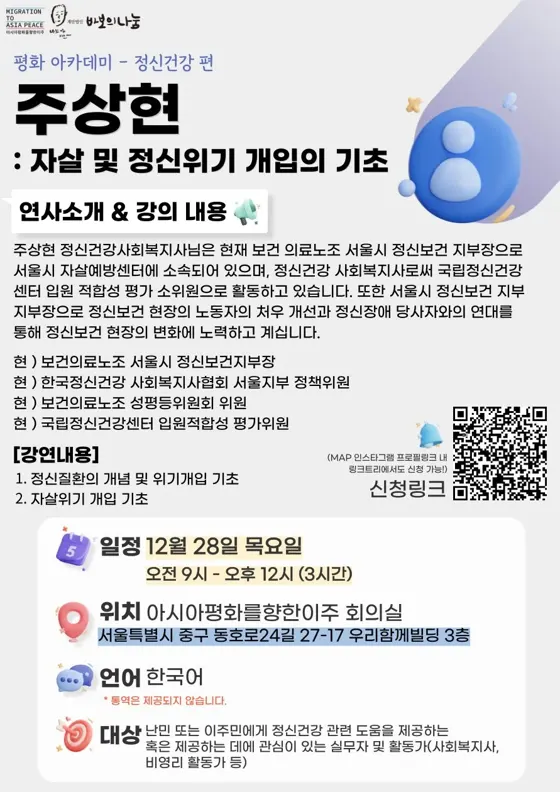
Peace Academy for Prospective (Refugee) Rights Activists in Korea – Mental Health Session (2023/12/28)
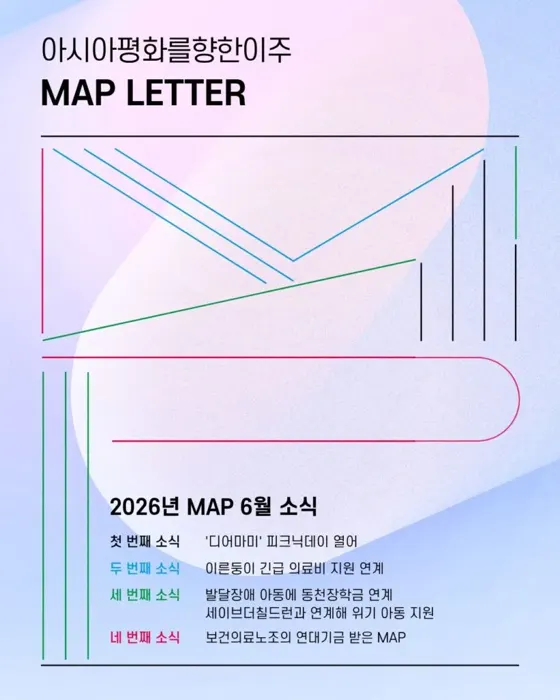
[MAP LETTER] June MAP LETTER