Inclusive society
Dialogue with Refugees
In this program, people living in Korea as refugees serve as speakers who tell the stories of their lives and exchange questions and stories with the citizens who take part. Refugee speakers go in person to the places that invite them, such as schools, libraries, clubs and institutions, and online sessions can be requested from overseas as well.
Background
Around the world, hatred and fear of refugees often begin with an image of “the refugee” that people have never met in person. Meetings in which people see each other's faces and talk have been used in many countries as a way to reduce prejudice.
In Korean society, refugees are often known first through numbers and scenes in the news. As with the 2018 controversy over Yemeni refugees in Jeju, when people have never met one another, unfamiliarity easily turns into fear and hatred.
Dialogue with Refugees is a program in which refugee speakers and citizens sit together, ask about each other's lives and listen. MAP continues these meetings in schools, libraries and local communities and helps build a culture that welcomes refugees as neighbors.
What we do
-
Dialogue events between refugee speakers and citizens
Refugee speakers share their stories, and citizens ask questions and discuss with them. The events take the form of lectures, talk shows, workshops, small gatherings and tea talks, are held in several languages, and include an interpreter when needed.
-
Dialogue with Refugees Tea Talk
A tea talk where refugees and citizens converse over refreshments; the first was held in April 2023.
-
School and university visits
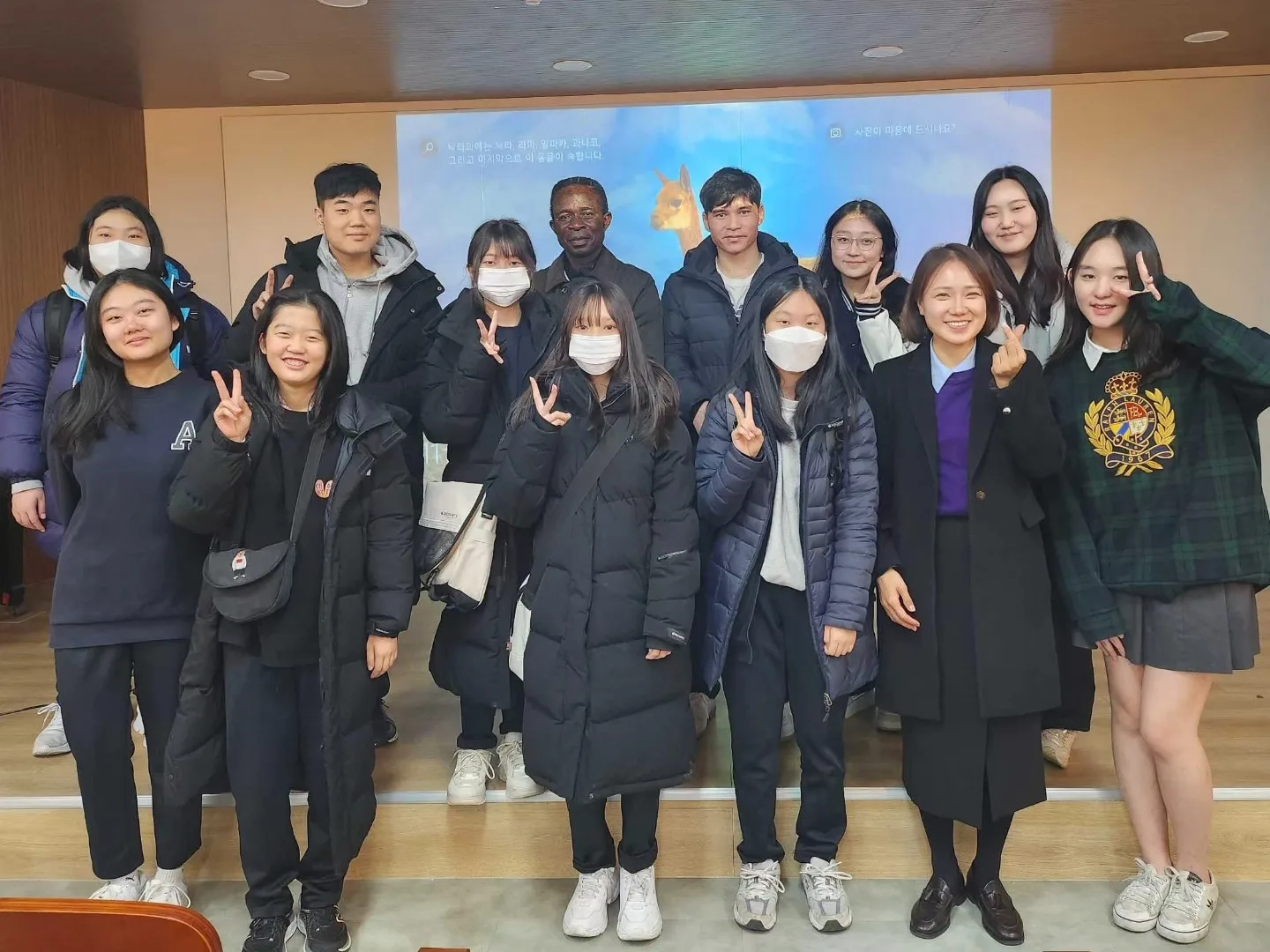
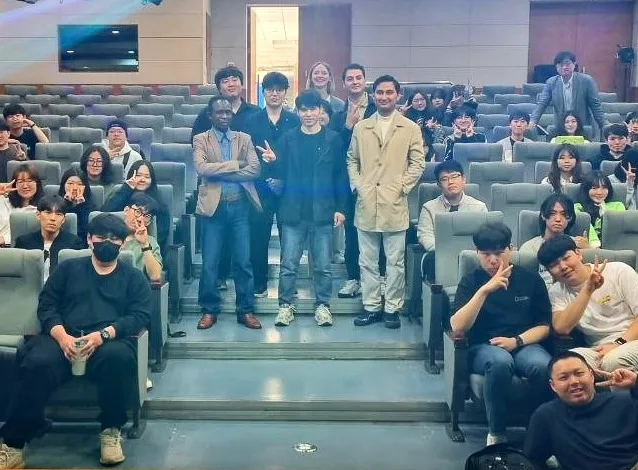
Refugee speakers meet and talk with students at youth centers, elementary, middle and high schools, international schools and universities.
-
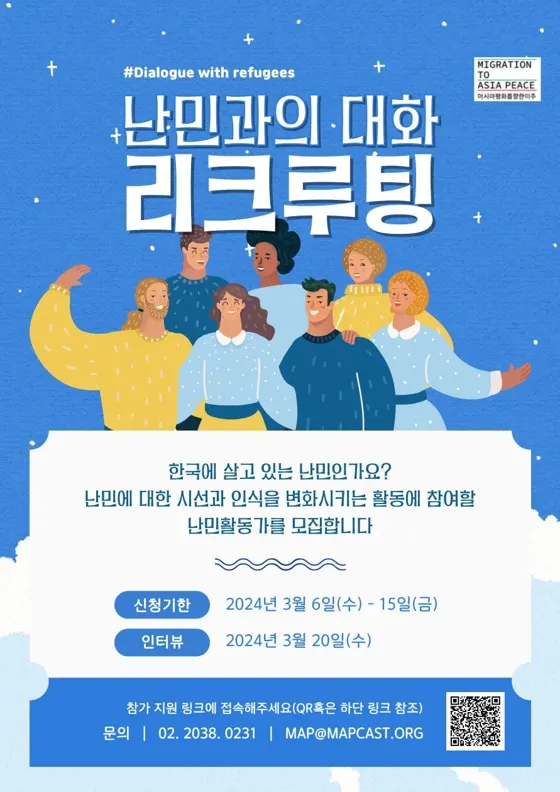
Recruitment of refugee speakers
Refugees are recruited each year to take part as speakers, and receive an activity fee and capacity-building training.
History
- 2019
The program began as the Human Library with Refugees, a format in which a refugee becomes a living book and sits face to face with readers to tell their own life. After a human book workshop, 13 refugees opened the first library on June 20, and by December it had been held 21 times in nine cities.
- 2020
COVID-19 moved most events online. MAP held online Human Libraries on World Refugee Day (June 20) and International Day for Tolerance (November 14). 23 people applied to be human books, including 8 who had taken part the year before, and 17 people from 12 countries took part. Online and offline together, it was held 20 times in 11 cities, and the 829 readers ranged from elementary school students to adults.
- 2021
The Human Library was held both online and offline, and it grew in scale. 18 people took part as human books, and it was held 30 times in 14 cities, meeting 2,036 readers. For World Refugee Day in June, two Human Libraries were held on June 20 and 25, and on December 29 a workshop to report on the refugee human book activities was held.
- 2022
16 refugees took part as human books and met 1,410 elementary, middle and high school students and adults in 14 cities. From this year, MAP tried a method with art educators in which art tools bring stories out and educational theater is used to discuss them.
- 2023
MAP changed the project name to "Dialogue with Refugees." The name Human Library brought to mind a one-way occasion in which refugees speak and citizens ask, so the new name was meant to hold a mutual dialogue in which citizens also share their own experiences. On April 22, it held its first "Tea Talk," sharing refreshments, and 2,016 people took part in 29 events over the year. 16 refugee speakers took part, and middle school students (646) and high school students (812) made up the largest groups of participants.
- 2024
In March, MAP recruited new refugee speakers and 9 were newly selected, bringing the speakers active during the year to 19 people of 13 nationalities. It held 21 events in 11 cities and met 1,559 local residents, 77% of them youth. More events were linked to school classes or project-based learning. Besides the 21 dialogue events, MAP held 10 empowerment activities such as workshops, camps and campaigns.
- 2025
New speakers joined, and events continued at places that invited them, from elementary schools to universities. In September, it was held at a youth center as a youth peace and character education program. University lectures and student club events continued, and on Human Rights Day in December a Tea Talk was held for the third year at Kyungdong Presbyterian Church.
- 2026
In April, MAP recruited young refugee speakers aged 16 to 29 and provided an activity allowance and capacity-building training. From May, events continued at elementary, middle and high schools, and on July 19 it held an art workshop introducing the paintings of a refugee artist from Ukraine.
Who it is for
- Inviting organizations: schools, libraries, clubs, institutions and others (anywhere in the country, from Seoul and Gyeonggi to Jeju)
- Online sessions can be requested from overseas as well (Zoom, one refugee participant, one moderator, 5 to 30 participants, and one interpreter if needed)
- The minimum number of participants for an event is 20. If the minimum is not met, MAP will direct you to the ‘Dialogue with Refugees Tea Talk’, which is planned to be held every quarter.
- Speaker participation: refugees living in Korea (the 2026 recruitment was for ages 16 to 29)
How to apply
Fill in the application form below at least one month before the date you wish to hold the event. Enter your name, affiliated institution or team, the number of refugee speakers you wish to invite, and any other inquiries. Interpretation is provided when needed.
- Application formforms.gle/QAgXGKEB3Pr8TN988
- Instagraminstagram.com/dialogue_with_refugees
- Emaildialogue@mapcast.org
- Phone02-2038-0231
Application form
Where we met
2026
2025
- Guil Middle School, Seoul
- Sangwoo High School, Uijeongbu
- Hankuk University of Foreign Studies class
- Uijeongbu Girls' Middle School
- Seongnamdong Middle School
- Jeonju Inhu Youth Center
- ODA student clubs, Jeonbuk National University
- Uijeongbu Girls' Middle School
- Apgujeong High School
- lectures at Gyeongsang National University
- Inchang High School, Guri
- panel at the Busan International Peace Forum
- North London Collegiate School Jeju
- Hanzip sociology society, Gyeongsang National University
- Christian Sprout Intercultural School students visit MAP
- tea with refugees at Kyungdong Presbyterian Church
- Seoun High School, Incheon
- "Tea with Shaimaa" at Neutinamu Library
- Inchang High School, Guri
2024
- spring tea talk at Kyungdong Presbyterian Church
- HIMUN Model UN talk and interviews, HUFS
- Hankuk University of Foreign Studies class
- Sudo Girls' High School
- Seoul Migrant Workers' Center
- Jeonju YMCA at the Borderline Peace School
- Chungju Yesung Girls' High School
- HIMUN Model UN conference, HUFS
- Good Samaritan Youth Club, Jeju
- Handong Global School VBB club
- CSIS International School, Yongin
- Guil Middle School, Seoul
2023
- tea talk at Dongdaemun Design Plaza
- Hankuk University of Foreign Studies class
- SUNY Korea class
- Hansung University class
- Eunyeoul Middle and High School
- talk show at PSPD Academy Neutinamu
- Boston College summer course at Sogang University
- Tea Talk X Talk with ADI
- Inchang High School, Guri
- Iyagi School students visit MAP
- Najeunjari Church
- Eunpyeong Migrant Workers' Center with Daesung High School
- Hopyeong Middle School
- Apgujeong High School
2022
2021
2020
2019
- International Day for the Elimination of Racial Discrimination
- workshop
- Korea Refugee Film Festival
- Seoul NPO Center
- Soonchunhyang University
- Migration Policy Forum
- Jeju Peace Camp
- Seogok Middle School, Jeonju
- Ilsam Bookshop
- Ewha Womans University
- Dobong Forest Village
- Human Rights Center, Seoul National University
- Sokcho Elementary School
- Gandhi School
- Jeonju Human Rights Center
- Hopyeong Middle School
- Gumi Middle School
In numbers
- 133 events
- Dialogue with Refugees events held from 2019 to March 2024
- 7,209 people
- Audience members reached in the same period
- 29 events
- Events in 2023 alone
- 2,016 people
- Participants in 2023
Photos
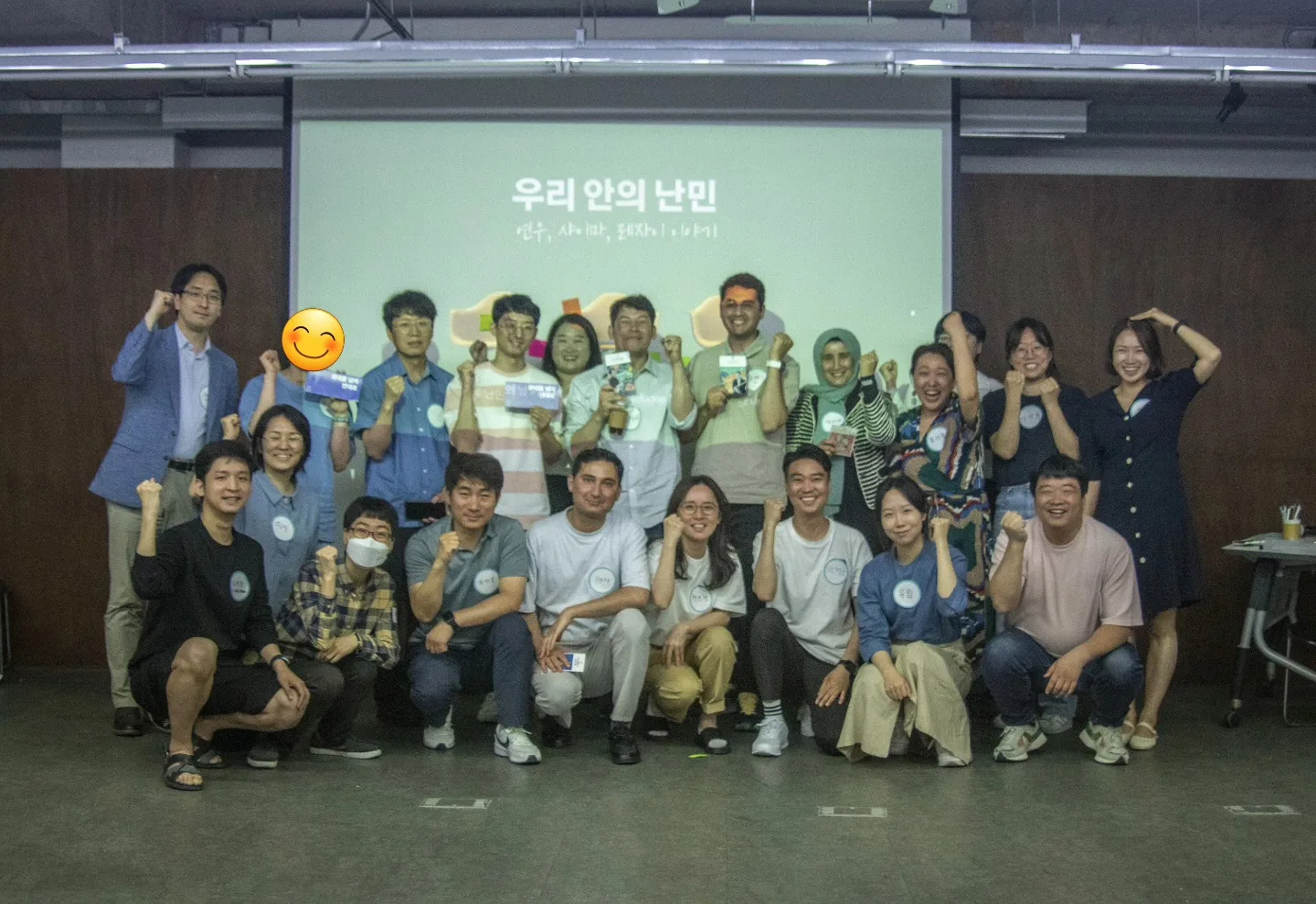
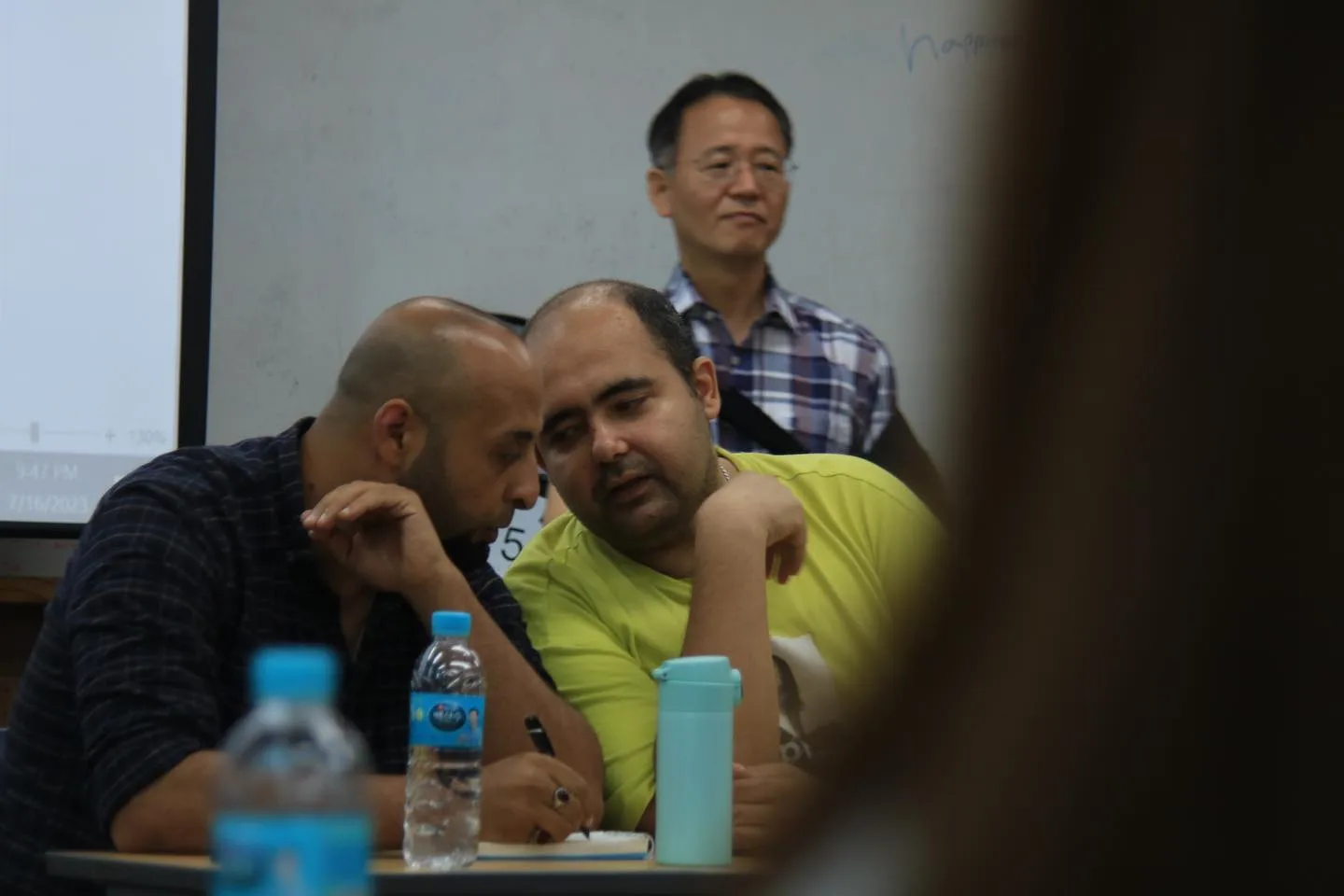
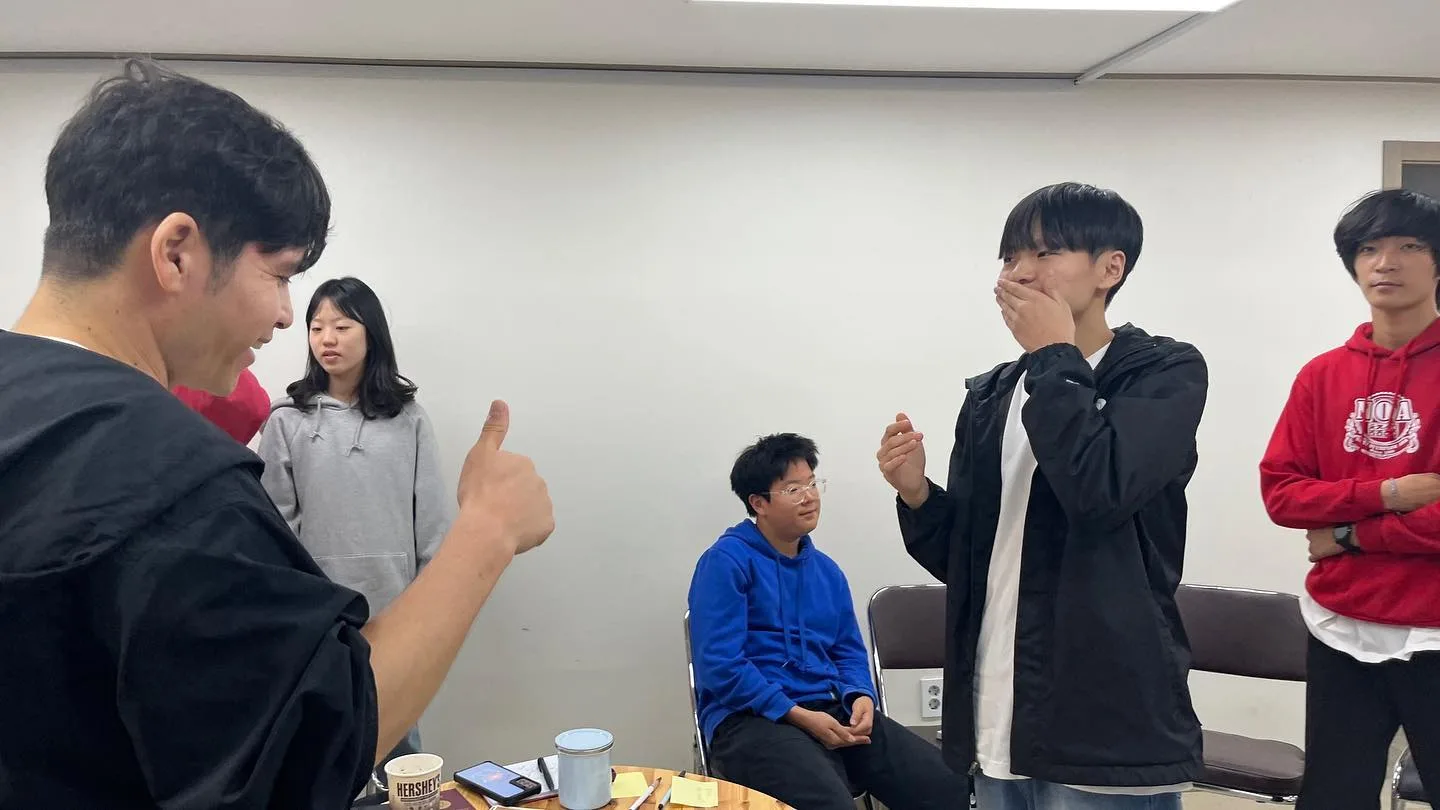
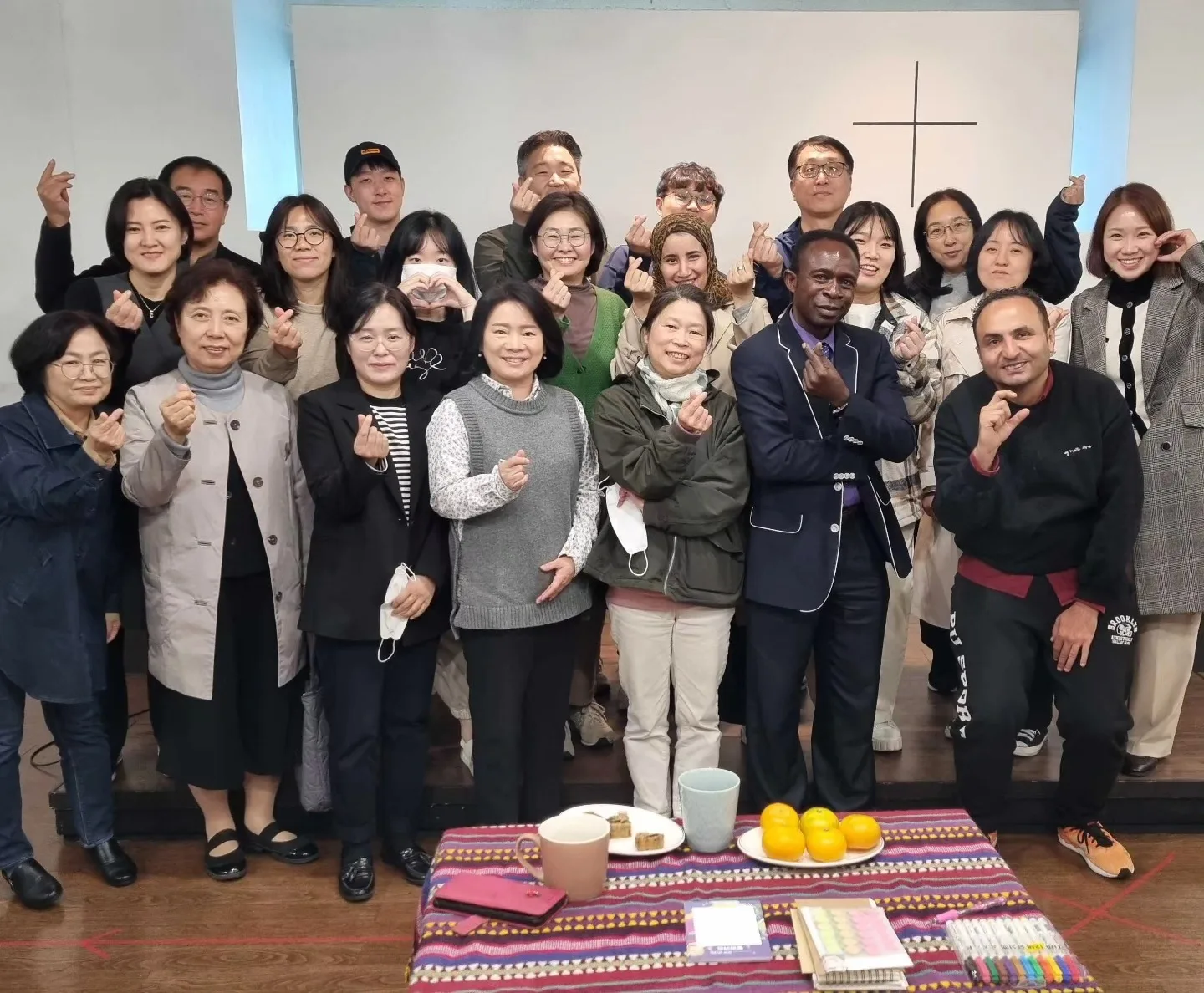
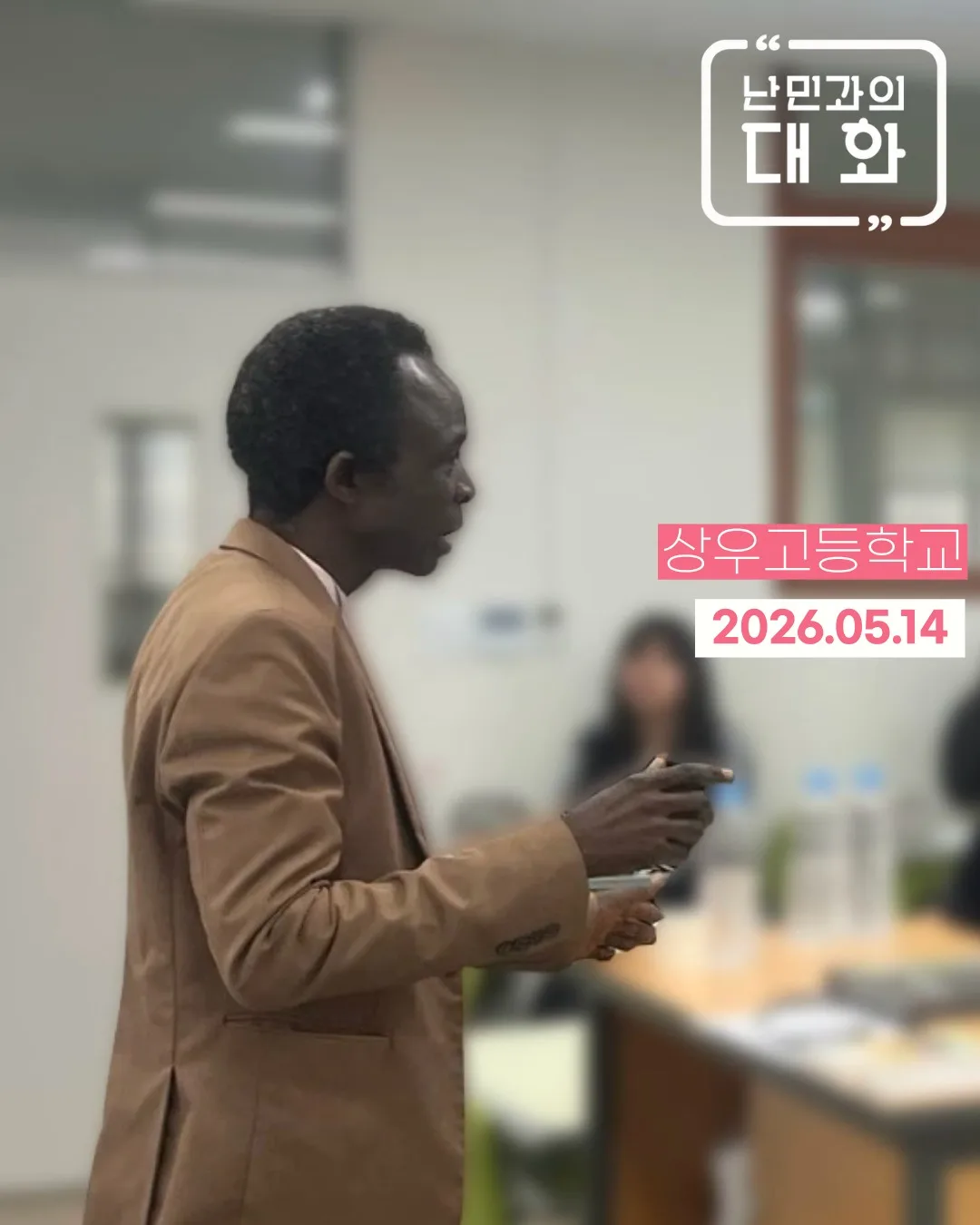
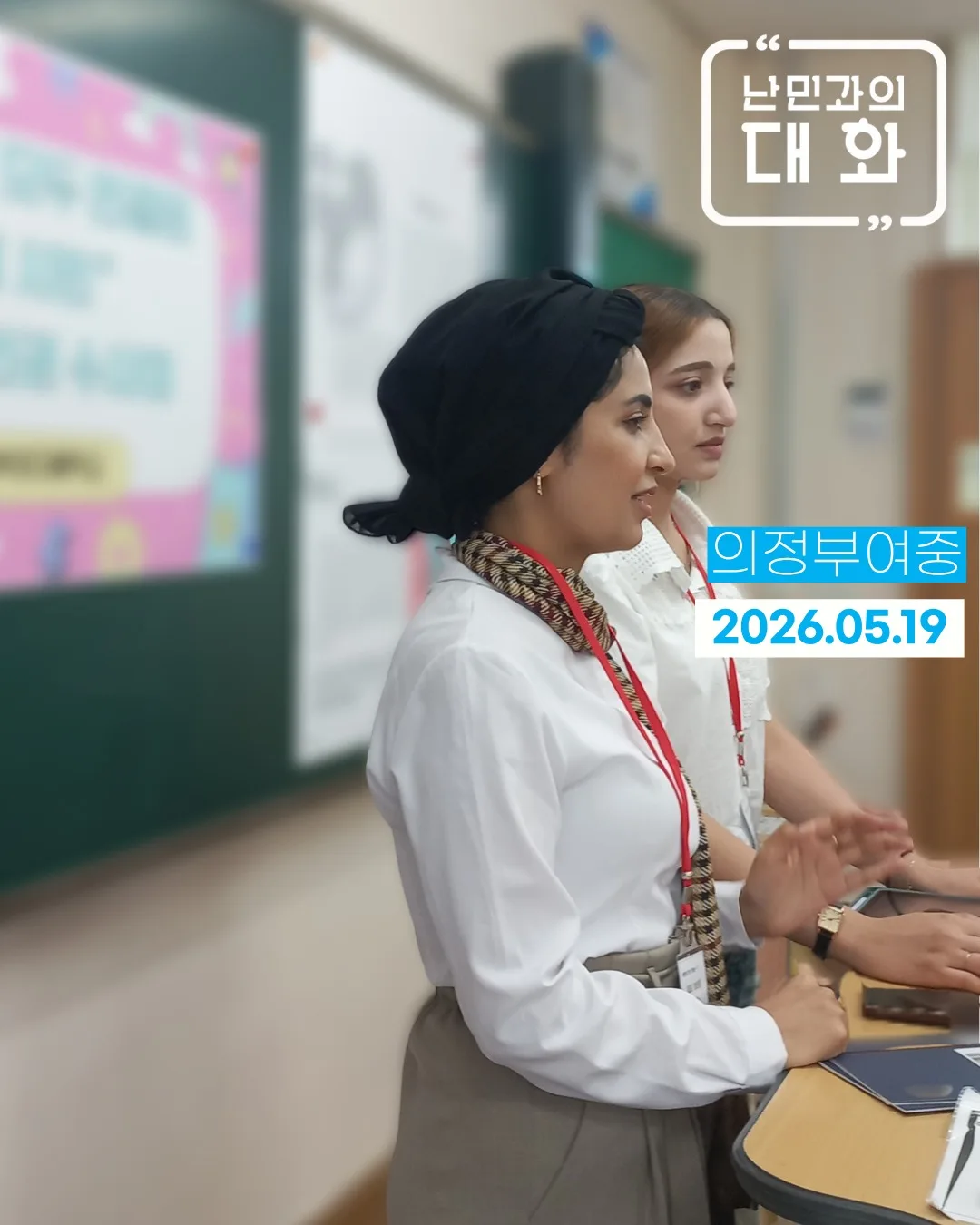
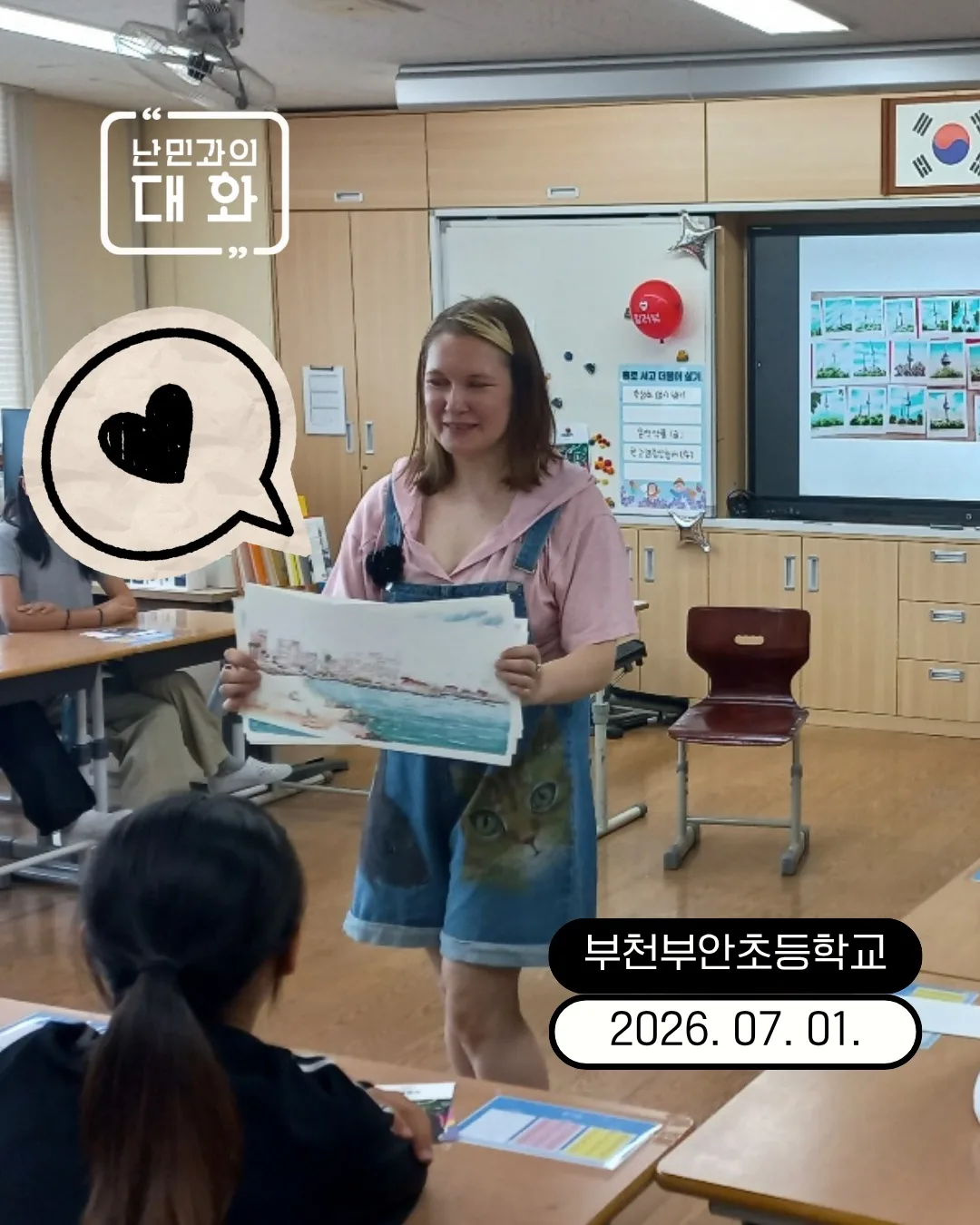
Recent activities
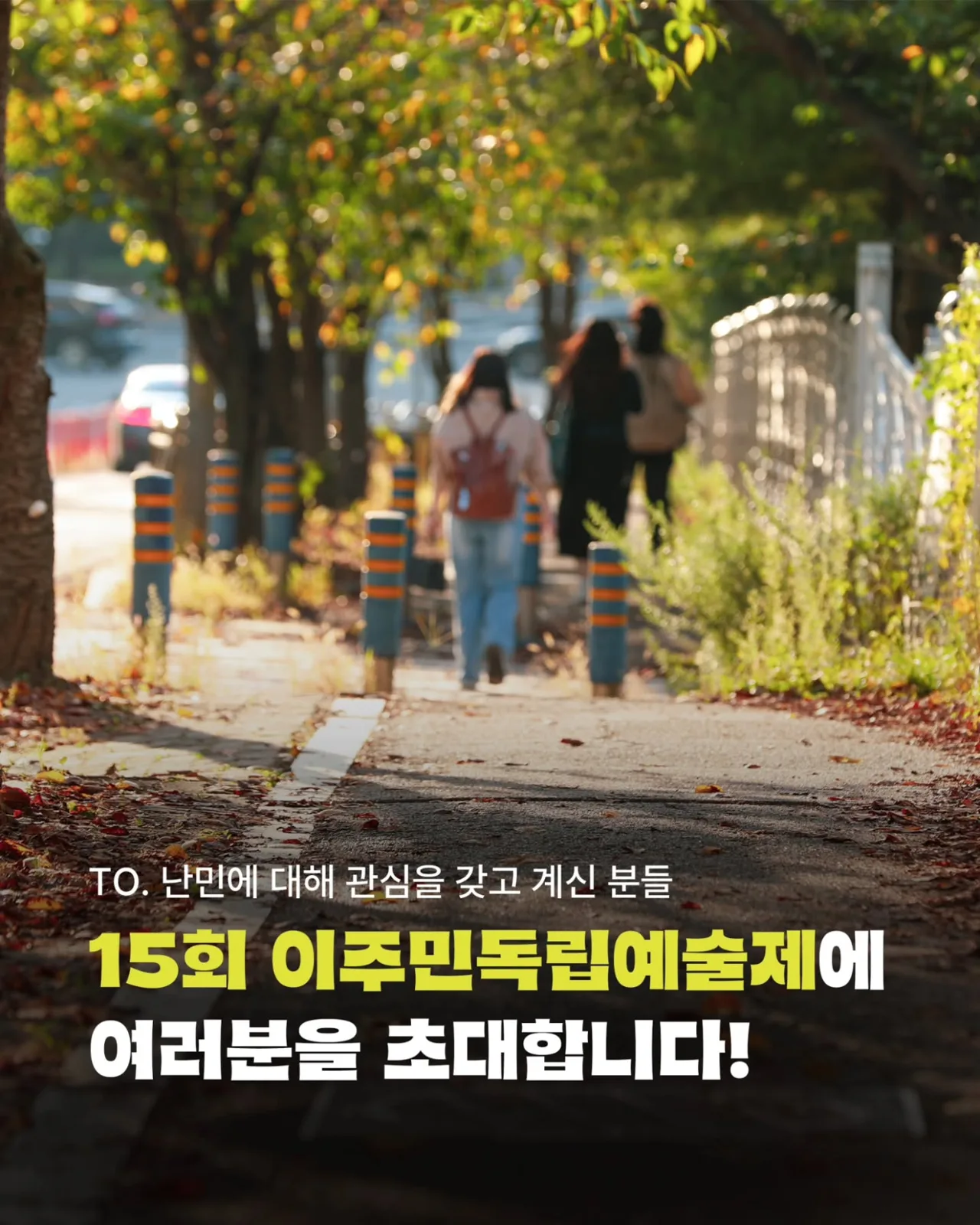
Dialogue with Refugees at the Migrant Indie Art Festival (October 2026)
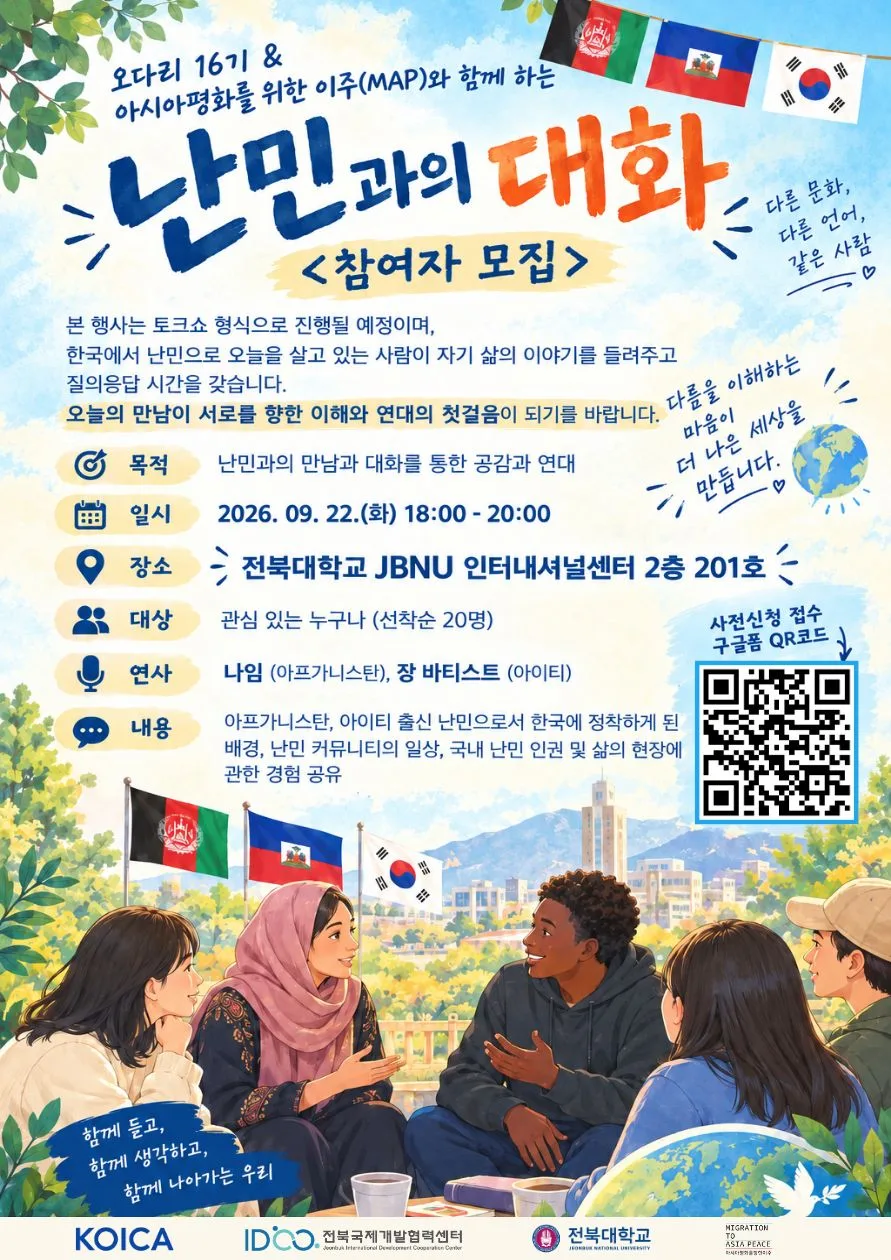
“Dialogue with Refugees” with ODA Plus (ODA利) & MAP (Jeonbuk National University, September 22, 2026)
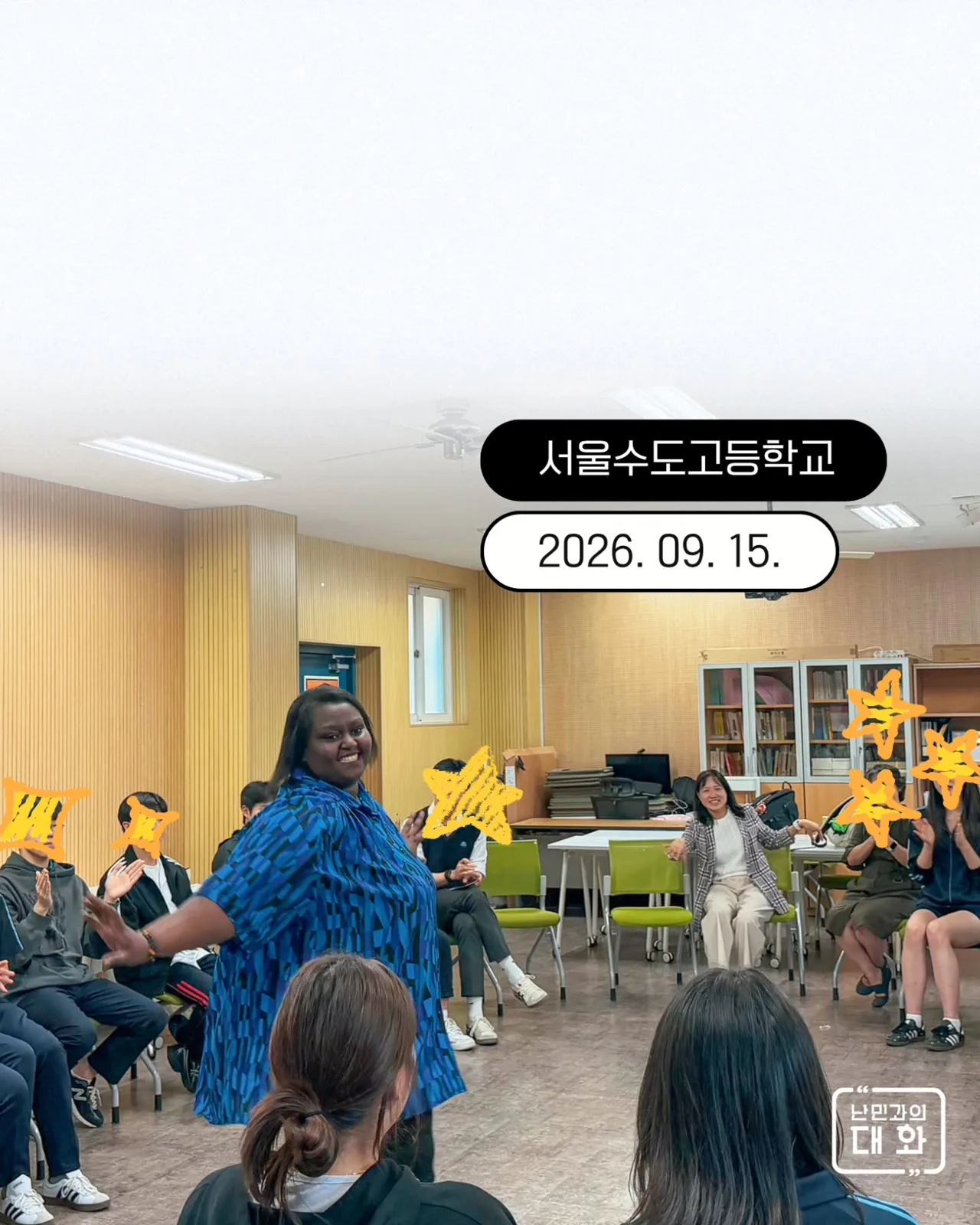
Dialogue with Refugees: Sudo High School, Seoul (15 September 2026)
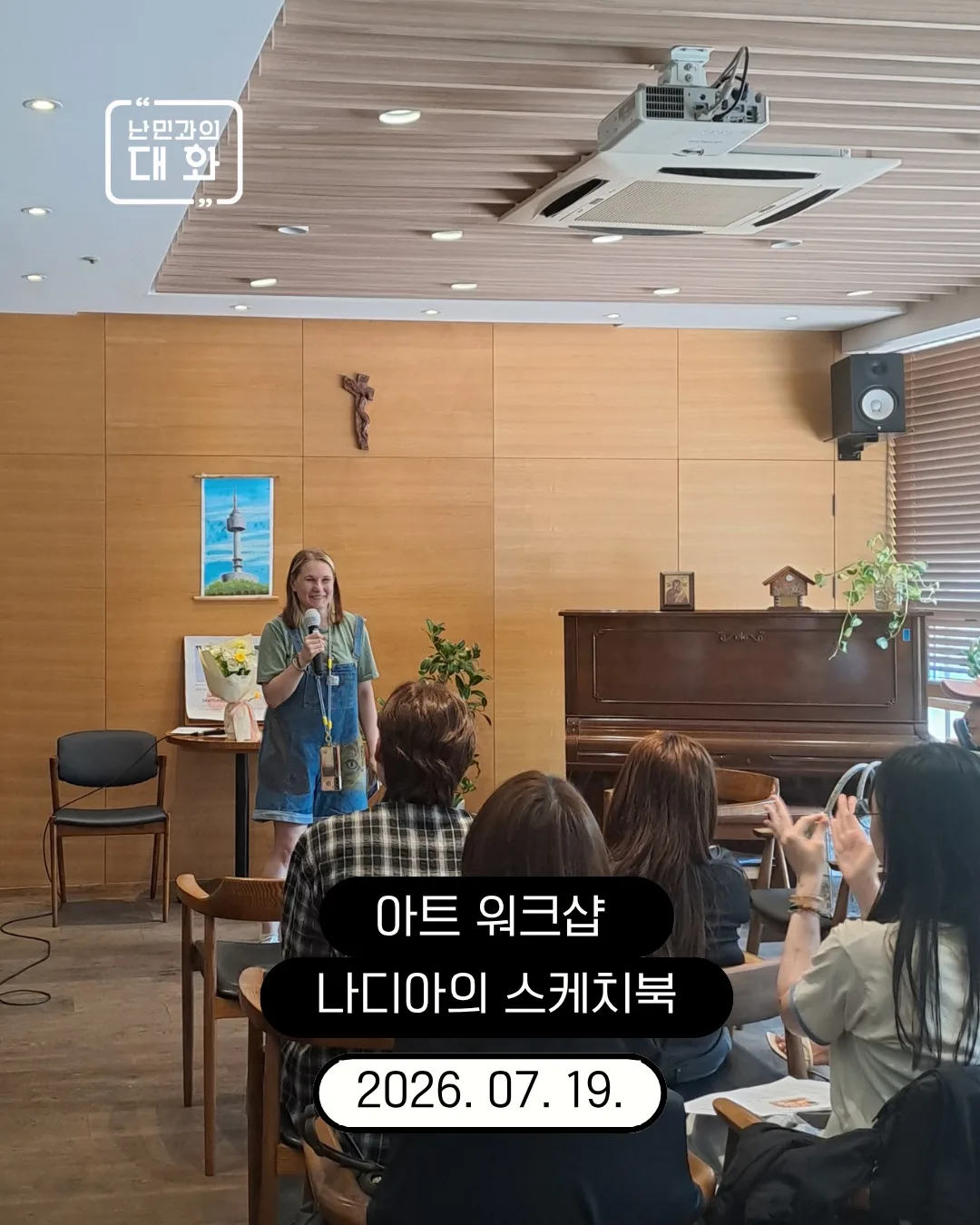
Dialogue with Refugees: art workshop "Nadiia's Sketchbook" (19 July 2026)
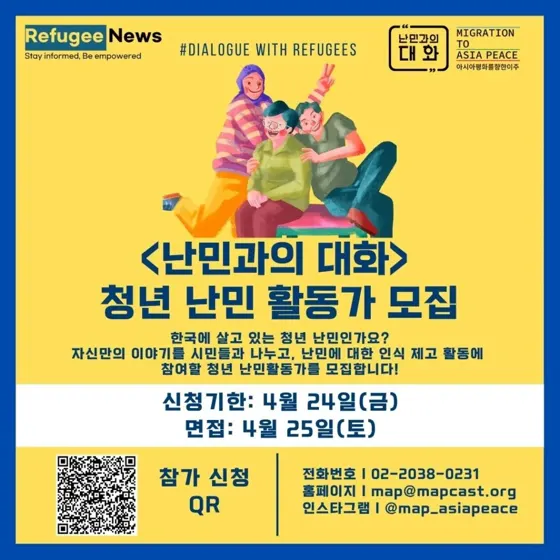
[RISE] Recruiting Young Refugee Speakers!
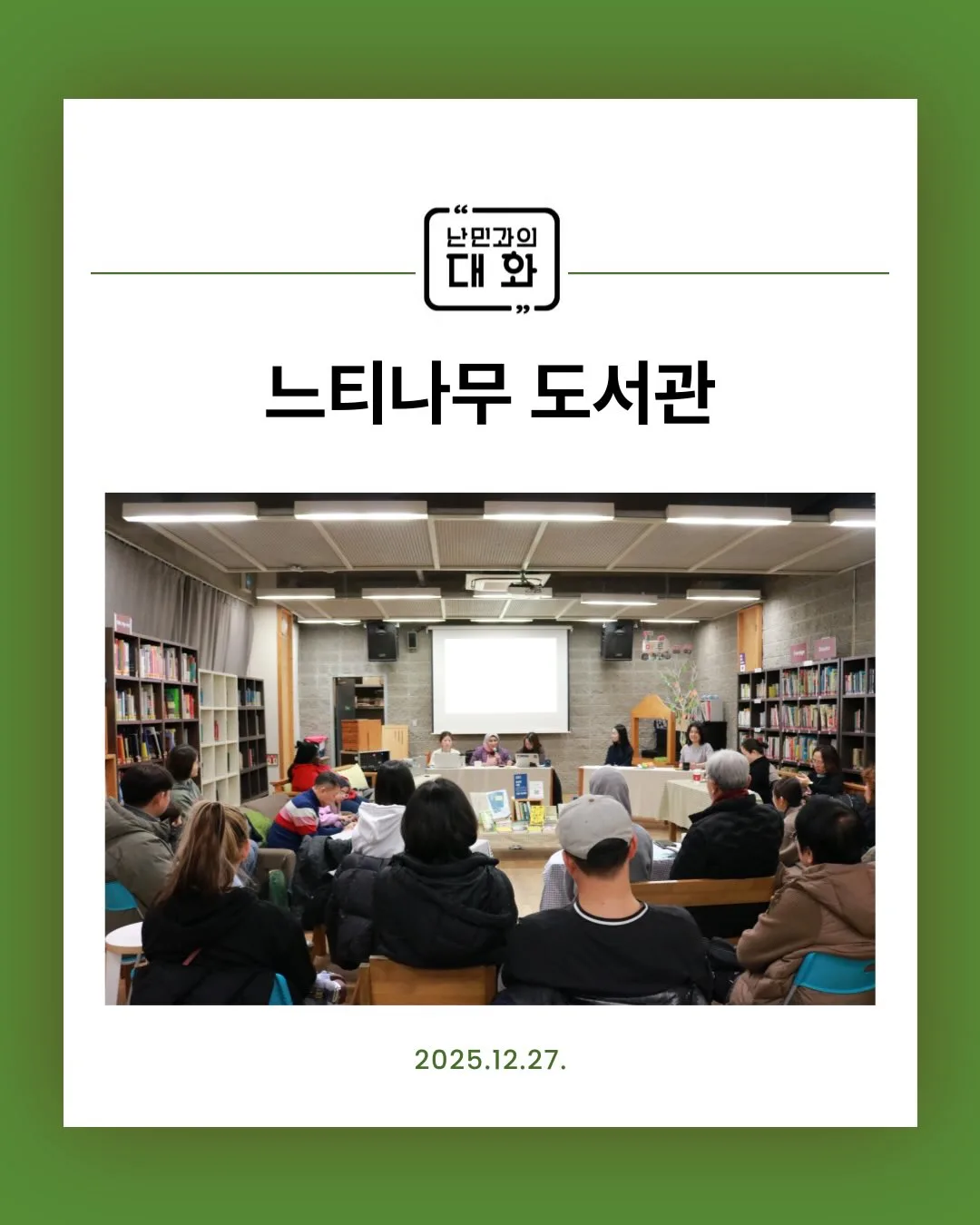
Dialogue with Refugees: "Tea with Shaimaa" at Neutinamu Library (27 December 2025)
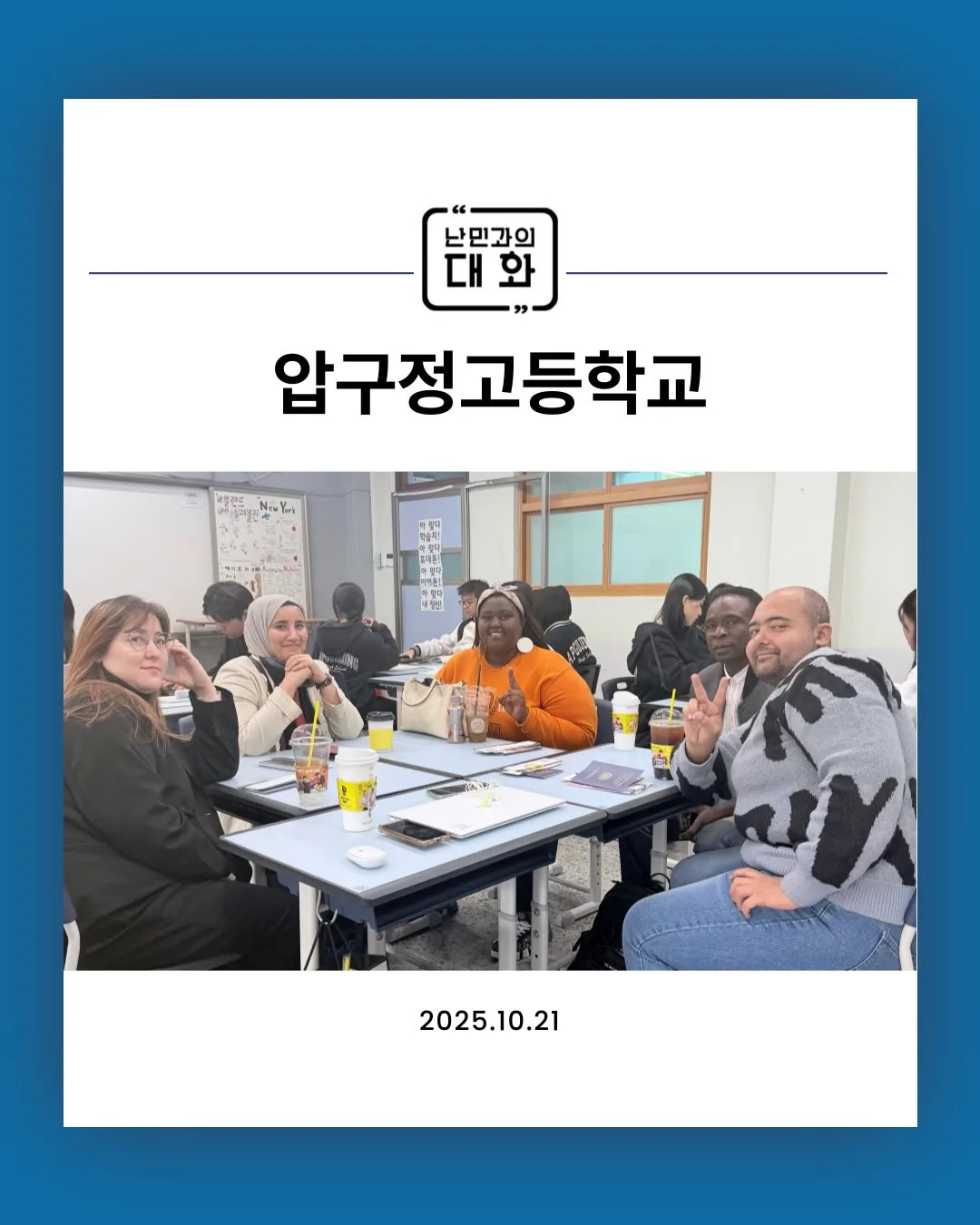
Dialogue with Refugees: Apgujeong High School (21 October 2025)
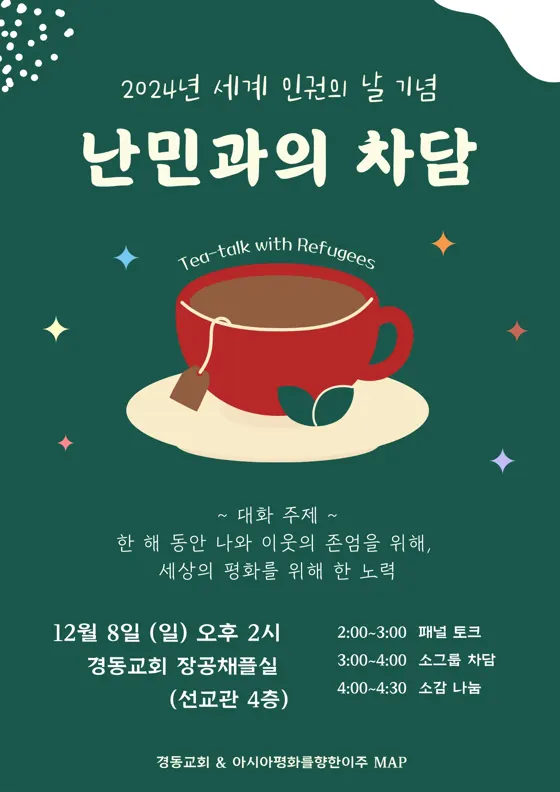
Dialogue with Refugees – Tea Talk